Locations / Carrollton TX Exhibit Planning: Coordination for DFW Trade Shows and Activations

Carrollton TX Exhibit Planning: Coordination for DFW Trade Shows and Activations

Authoritative guidance for aligning Carrollton initiatives with the distinct operational contexts of Dallas-Fort Worth venue clusters and established exhibition protocols.

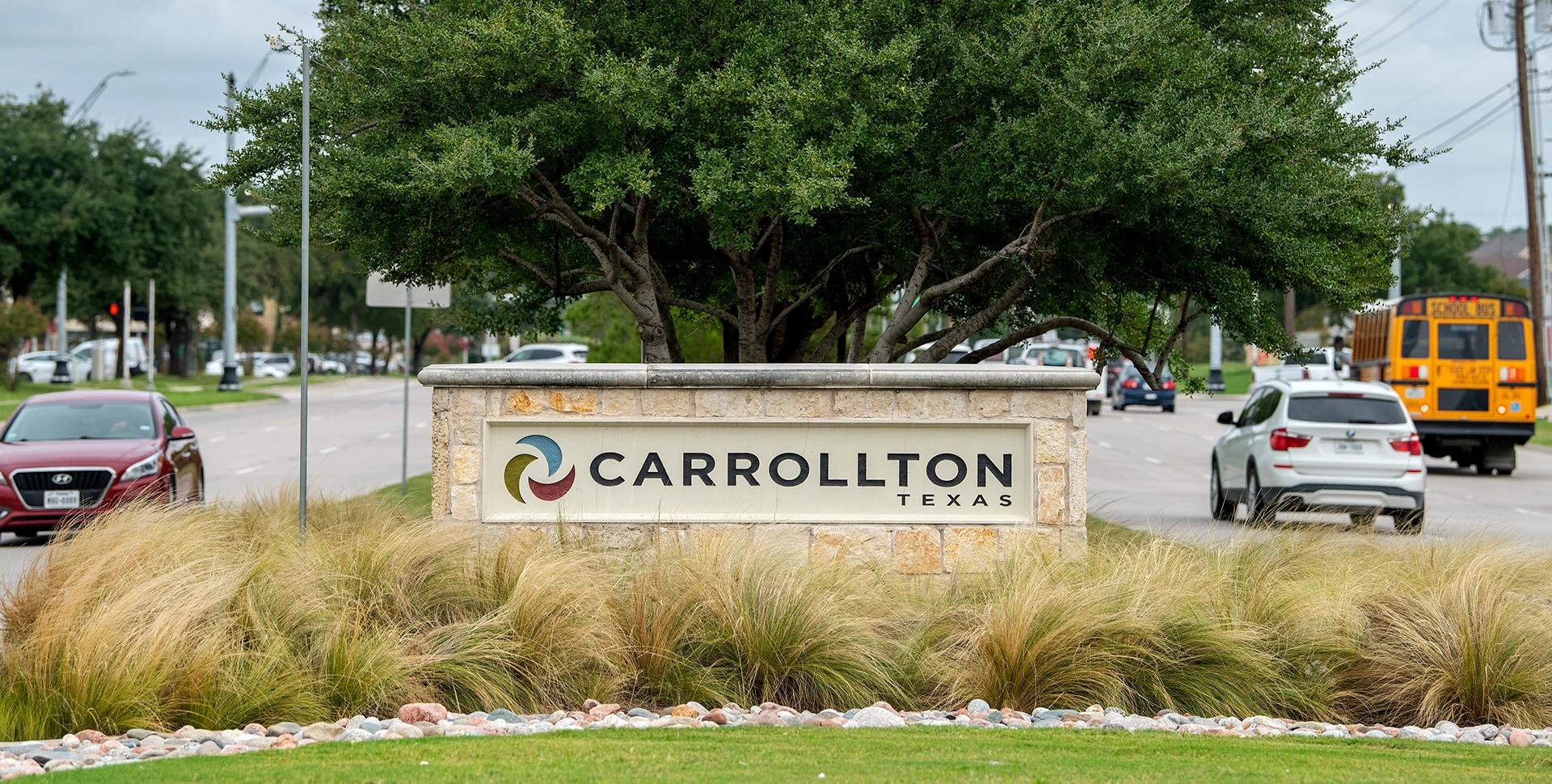
Carrollton Trade Show Exhibits visual for Exhibit House of Dallas
Location

Carrollton’s Strategic Position in the DFW Exhibit Landscape

As one of thirty-five documented locations covering primary DFW venue corridors and secondary municipalities, Carrollton contributes to the distributed infrastructure that sustains trade show and conference volume across North Texas. The area’s suburban corporate nodes provide supplemental capacity for pre-event planning sessions, attendee overflow, and targeted industry activations that feed into larger conventions. This role supports overall market demand without implying direct venue control or localized physical assets.

Recommended location lists consistently include Carrollton alongside Addison, Farmers Branch, Lewisville, and Plano, reflecting realistic support for exhibit-driven events. These secondary sites expand options for exhibitors seeking proximity to corporate headquarters while maintaining efficient access to flagship facilities. Coordination therefore begins with mapping specific event objectives against the unique characteristics of each DFW cluster rather than applying cookie-cutter approaches.

Market notes emphasize that these municipalities collectively cover convention-center cities, hospitality nodes, and suburban corridors capable of handling Install and Dismantle requirements. Planners benefit from treating Carrollton as part of a calibrated regional network where each node carries distinct implications for logistics timing, audience demographics, and activation scale.

Understanding these relationships allows for more nuanced budgeting and scheduling. For instance, events drawing participants from technology or manufacturing sectors headquartered near Carrollton may achieve higher engagement by leveraging the suburb’s corporate density while routing exhibits through established Dallas or Irving channels.

  • Secondary municipalities expand regional event capacity
  • Corporate node proximity aids targeted attendee outreach
  • Distributed geography supports varied activation scales
  • Recommended location status confirms realistic demand support

Differentiating DFW Venue Clusters Relevant to Carrollton Planning

The Dallas-Fort Worth region features clearly delineated venue clusters with individualized operational contexts that must be addressed separately. Downtown Dallas centers on the Kay Bailey Hutchison Convention Center, whose exhibitor documentation details specific expectations for service partners, utilities, and dock procedures. Irving maintains its own meeting and convention infrastructure highlighted in dedicated event planning guides, while Arlington and Frisco each present specialized facilities suited to particular industry verticals and audience profiles.

Grapevine, Plano, and Addison represent additional distinct nodes with hospitality concentrations that frequently support ancillary events or hospitality suites connected to larger shows. Carrollton planners must therefore evaluate which cluster best matches program goals, audience travel patterns, and exhibit scale rather than defaulting to a single downtown assumption. This differentiation prevents misalignment with venue-specific rules governing labor, electrical, and rigging requirements.

Sources covering Arlington meetings-conventions, Frisco venue listings, and Irving’s 2025 Event Planning Guide illustrate the breadth of options available. Each guide underscores the importance of early coordination with approved partners and adherence to published load-in timelines. For Carrollton-based initiatives, these resources enable precise sequencing that respects the distinct traffic, parking, and access characteristics of every cluster.

Service Partner Frameworks and Coordination Protocols

The Kay Bailey Hutchison Convention Center publishes a dedicated service partners directory that outlines approved providers for various exhibition functions including electrical, rigging, and material handling. These listings form the foundation for compliant planning and must be consulted directly to align budgets and timelines. Similar frameworks exist across other DFW venues, though the specific partners and procedures vary by location and event type.

Effective coordination treats these directories as authoritative references rather than optional suggestions. Documentation emphasizes that exhibitors and their representatives should review all partner requirements during initial planning phases to avoid last-minute conflicts with utility specifications or dock scheduling. This approach applies uniformly whether the exhibit originates from Carrollton or any other recommended DFW location.

Planning resources stress integration of service partner rules with overall event strategy. For example, decisions about booth design, graphics production, and audiovisual integration should reference the center’s published guidelines on utilities and exhibitor expectations. Such diligence ensures that Carrollton-area programs integrate smoothly into the larger DFW exhibition calendar.

Venue-backed facts from official Dallas Convention Center resources provide the only reliable basis for naming these protocols. Speculation about unlisted partners or undocumented relationships is deliberately omitted to maintain planning accuracy.

  • Consult official service partner directories per venue
  • Align booth specifications with published utility rules
  • Incorporate dock and loading timelines into schedules
  • Reference exhibitor expectation documents early

Logistics, Utilities, and Dock Operations Across DFW

Official documentation for the Kay Bailey Hutchison Convention Center provides explicit guidance on exhibitor docks, utility provisions, and material handling procedures. These resources detail loading dock configurations, electrical specifications, and internet service options that directly influence exhibit design and budgeting. Planners coordinating for Carrollton-connected events incorporate these parameters during concept development to ensure compatibility upon arrival.

Utility planning receives particular attention because requirements differ between facilities and event scales. The convention center’s utilities page outlines available services including power, water, and compressed air, each with defined connection protocols and advance-order deadlines. Similar considerations apply at Dallas Market Hall and the Fashion Industry Gallery, though their technical infrastructures reflect their respective exhibition specialties.

Dock operations further illustrate the need for cluster-specific knowledge. Published materials describe truck staging, material marshalling, and security procedures that govern efficient move-in and move-out. When coordinating exhibits that serve Carrollton-area corporations or target audiences traveling through northern DFW corridors, these logistical details help prevent bottlenecks and ensure compliance with facility rules.

The Omni Dallas Hotel directory entry highlights integrated meeting and exhibit capabilities that often complement convention center activity. Its proximity to downtown facilities creates additional planning layers involving shared transportation and hospitality logistics that benefit from early mapping.

  • Review dock configurations and staging procedures
  • Specify utility needs according to published guidelines
  • Account for advance-order deadlines per venue
  • Map marshalling yards against event timelines

Market Drivers and Demand Factors Influencing Carrollton Events

Regional market drivers documented in Irving’s Event Planning Guide 2025, Arlington’s meetings and conventions resources, and Frisco venue materials reveal consistent demand for professional exhibits across technology, healthcare, manufacturing, and consumer sectors. These drivers shape the volume and character of events that Carrollton companies may attend or host within the broader DFW footprint.

Hospitality nodes and suburban corporate concentrations amplify opportunities for activations that extend beyond traditional trade show floors. The distributed geography allows exhibitors to engage specialized audiences at venues best suited to particular verticals while using Carrollton’s corporate density for pre-show briefings or post-event debriefs. Such strategic layering increases overall program effectiveness.

Demand patterns also reflect seasonal convention calendars and industry event cycles tracked across the referenced planning documents. Coordination resources therefore emphasize calendar alignment and early venue booking to secure preferred dates within each cluster. This foresight proves especially valuable for recurring exhibitors seeking to optimize presence across multiple DFW locations.

Notes within the market analysis reinforce that the listed municipalities, including Carrollton, collectively support realistic search and execution intent for exhibit, meeting, and activation programming. This validation guides resource allocation and expectation setting for planners operating at the municipal level.

Best Practices for Regional Exhibit Strategy and Activation Design

Developing an effective exhibit strategy for Carrollton-linked programs requires synthesizing venue-specific rules with broader market intelligence. Begin by auditing the distinct operational contexts of target clusters, then map service partner requirements, utility needs, and dock protocols against program objectives. This methodical approach minimizes surprises and maximizes return on investment.

Activation design should account for the full spectrum of DFW audience travel patterns, from airport approaches through suburban corporate corridors. Experiential elements that succeed at the Kay Bailey Hutchison Convention Center may require adjustment for more intimate Frisco or Grapevine settings. Documentation from each venue supplies the technical boundaries within which creative decisions must remain.

Ongoing coordination includes continuous reference to updated exhibitor resources and planning guides. Because operational details can evolve, authoritative resources prioritize the latest published facts regarding service partners, utilities, and logistics. This discipline ensures that Carrollton-area initiatives remain compliant and competitive across the regional landscape.

Ultimately, the value of centralized planning lies in its ability to translate complex, venue-specific data into coherent action plans. By maintaining strict fidelity to documented sources and avoiding unsubstantiated claims, exhibit managers achieve reliable outcomes across the full range of DFW opportunities.

  • Audit venue rules before concept development
  • Align activation scale with cluster characteristics
  • Reference current utility and dock documentation
  • Integrate market driver data into audience strategy

Preparing for Long-Term Success in the Carrollton DFW Corridor

Long-term success in Carrollton-connected exhibition activity stems from consistent application of cluster differentiation principles and service partner alignment. Organizations that treat the DFW region as a collection of distinct operational environments rather than a monolithic market consistently report stronger outcomes in lead quality, brand consistency, and logistical efficiency.

The recommended locations framework, which explicitly includes Carrollton, provides a practical taxonomy for allocating resources across the metroplex. Whether supporting a single annual appearance at the convention center or a series of activations spanning Irving, Arlington, and Frisco, the same planning discipline applies: begin with verified venue facts, map against corporate and audience data, then sequence all logistics accordingly.

Future planning should continue referencing official sources such as the Dallas Convention Center’s exhibitor, utilities, docks, and service partner pages, along with municipal event guides from Irving, Arlington, and Frisco. This practice keeps coordination current and compliant while allowing strategic adaptation to evolving market signals.

By positioning Carrollton within its accurate regional context, exhibit planners gain clarity on both opportunities and constraints. The resulting programs demonstrate operational sophistication and respect for the documented rules that govern successful DFW events.

Questions buyers ask

Carrollton TX Exhibit Planning: Coordination for DFW Trade Shows and Activations

How does Carrollton fit into broader DFW trade show planning?

Carrollton is listed among recommended secondary municipalities that support realistic demand for exhibits, conferences, and activations across DFW venue corridors, suburban corporate nodes, and hospitality concentrations. Coordination focuses on aligning with distinct operational requirements of each cluster including downtown Dallas, Irving, Arlington, and Frisco.

What official resources inform service partner decisions for DFW events?

The Kay Bailey Hutchison Convention Center publishes service partner directories, exhibitor expectation documents, utility specifications, and dock procedures. Additional guidance appears in Irving’s Event Planning Guide, Arlington meetings resources, and Frisco venue listings. All coordination references these verified sources exclusively.

Which major venues are most relevant when planning from Carrollton?

Key facilities include the Kay Bailey Hutchison Convention Center, Dallas Market Hall, Fashion Industry Gallery, and convention assets in Irving, Arlington, and Frisco. Each carries unique dock, utility, and service partner protocols that must be mapped individually during planning.

Why is venue cluster differentiation important for Carrollton exhibitors?

Each DFW cluster maintains separate operational contexts, labor rules, utility offerings, and access procedures. Treating them distinctly prevents misalignment with published requirements and supports more accurate budgeting, scheduling, and audience targeting for programs connected to Carrollton.

What logistics elements require early attention in DFW planning?

Dock configurations, material handling timelines, utility ordering deadlines, and marshalling procedures documented by each venue must be incorporated at the concept stage. These factors directly influence exhibit design, transportation routing, and overall event sequencing.

Start here

Trade Show Displays of Dallas

Dallas trade show display planning designed around venue rules, message clarity, and reusable exhibit systems.

Start Your Scope