Locations / Grapevine, TX Exhibit Planning and Coordination

Grapevine, TX Exhibit Planning and Coordination

Authoritative guidance for strategic exhibit development and event coordination tailored to the distinct Grapevine cluster within the Dallas-Fort Worth market.

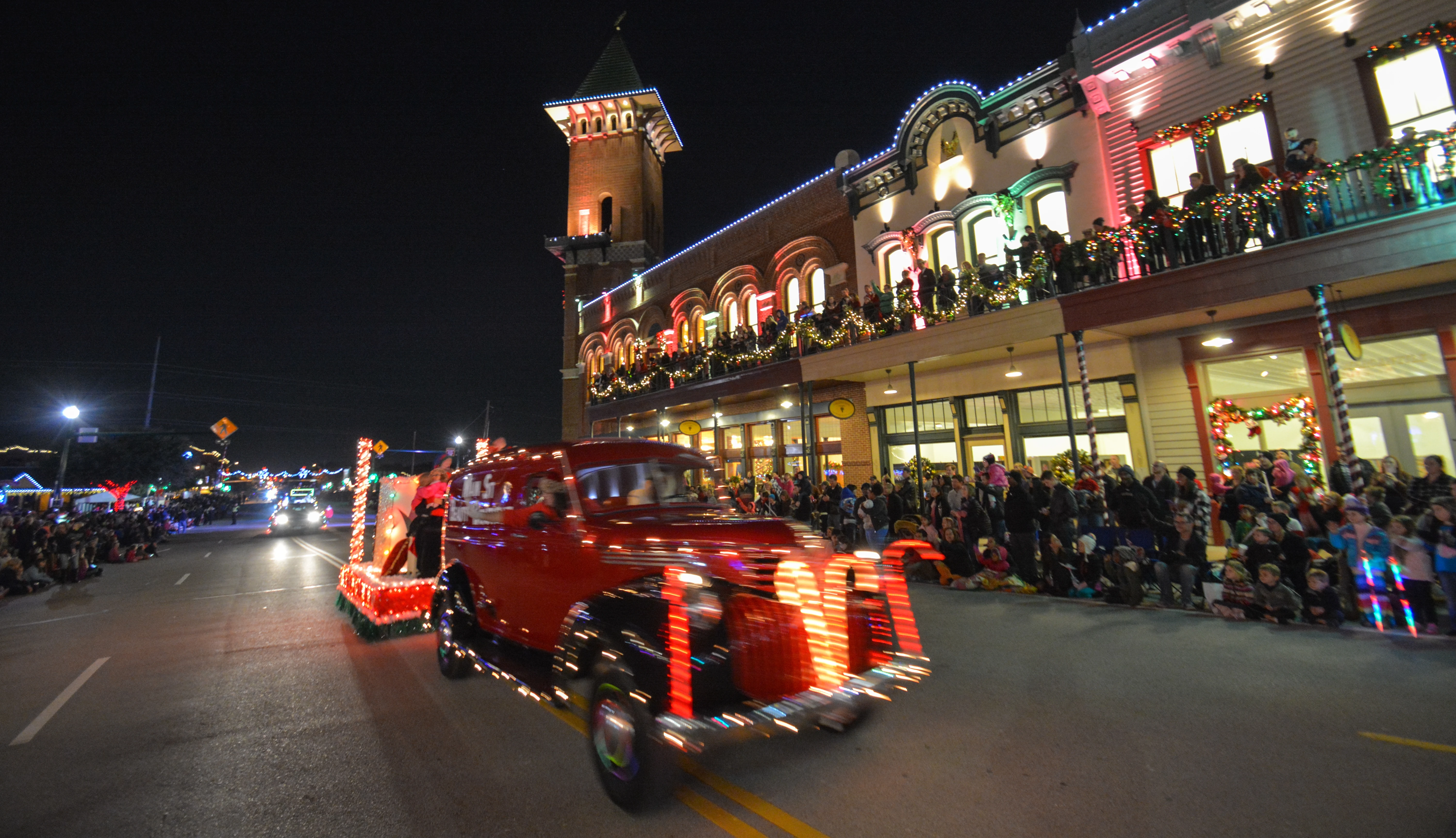
Grapevine Trade Show Exhibits visual for Exhibit House of Dallas
Location

Grapevine's Position in the Broader DFW Exhibition Landscape

The Grapevine market cluster operates with characteristics that set it apart from the primary convention infrastructure concentrated in downtown Dallas or the specialized environments found in Fort Worth and Arlington. Its combination of established hospitality properties and convenient access points creates opportunities for exhibitors to engage audiences who blend business objectives with regional travel patterns. Planning for this environment requires recognition of how attendee flow differs from the high-volume traffic typical of larger DFW convention facilities.

Effective coordination begins with mapping how Grapevine events interact with the surrounding municipalities. Exhibitors benefit from strategies that account for the draw of both Dallas-based professionals and those arriving from the western corridor. This positioning allows for targeted activations that might complement larger campaigns staged at facilities such as the Kay Bailey Hutchison Convention Center while maintaining independent objectives suited to the scale and pace of Grapevine gatherings.

Resource allocation decisions should reflect these distinctions. What succeeds in the dense networking atmosphere of Irving or the innovation-driven environment of Plano may need recalibration for Grapevine, where relationship-building and experiential touchpoints often take precedence. Coordination resources help translate these observations into actionable frameworks that maintain consistency across a regional exhibit program.

  • Hospitality node characteristics influence attendee dwell time
  • Suburban setting supports focused rather than high-volume engagement
  • Regional connectivity enables multi-day program extensions
  • Distinct from sports-centric or pure corporate clusters in DFW

Logistics and Access Planning Specific to the Grapevine Cluster

Logistical coordination for Grapevine events centers on its strategic placement relative to major DFW transportation arteries and airport facilities. This positioning influences material movement timelines, carrier routing decisions, and contingency planning in ways that diverge from purely urban or northern suburban locations. Planning resources provide frameworks for mapping these variables without presuming execution capabilities in any single municipality.

Successful programs incorporate detailed pre-event mapping of regional freight patterns, peak travel periods, and alternative routing options that preserve schedule integrity. The coordination process emphasizes alignment between exhibit requirements and the operational parameters established by venues throughout the DFW area, ensuring materials and components integrate smoothly into the event workflow.

Attention to these details helps mitigate variables that could impact program success. By treating logistics as an integrated element of overall strategy rather than an isolated function, exhibitors can develop resilient plans that accommodate the specific rhythms of the Grapevine market while contributing to efficient resource use across multiple DFW activations.

Documentation and communication protocols play a central role in this coordination. Clear specification documents, milestone checkpoints, and escalation paths help maintain alignment between all parties involved in the regional supply chain.

Audience Analysis and Exhibit Design Adaptation for Grapevine

Audiences at Grapevine events typically reflect a distinctive intersection of corporate decision-makers, regional professionals, and visitors drawn to the area's hospitality and tourism amenities. This composition calls for design approaches that facilitate both structured presentations and informal interaction in environments that differ in scale and ambiance from those found in Dallas Market Hall or the Fashion Industry Gallery.

Effective booth configurations for this market prioritize approachable layouts that encourage consultation and relationship development. Visual systems should balance brand consistency with contextual sensitivity to the Grapevine setting, where sophisticated yet welcoming aesthetics often resonate more strongly than high-intensity urban expressions appropriate for other DFW clusters.

Interactive components and demonstration areas benefit from calibration to typical session durations and traffic patterns observed in this specific location cluster. Storage solutions for literature and premium items require thoughtful integration to maintain clear pathways while supporting extended engagement periods that characterize many Grapevine gatherings.

The planning process incorporates iterative review cycles that refine these elements based on defined objectives for the specific event type. This methodical approach helps ensure that design decisions directly support measurable outcomes rather than generic visibility metrics.

  • Modular elements that adapt to varying space dimensions
  • Lighting calibrated for mid-scale venue environments
  • Technology integration respectful of audience comfort levels
  • Messaging frameworks that bridge business and experiential touchpoints

Event Calendar Coordination and Timeline Development

The Grapevine event calendar features rhythms that reflect its position as a hospitality and conference node distinct from the primary trade show schedules of central Dallas or the sports-aligned programming in Arlington. Coordination requires early mapping of these patterns to identify optimal participation windows and avoid conflicts with parallel activations in neighboring markets such as Bedford, Euless, or Southlake.

Timeline development follows a structured sequence that allocates appropriate intervals for concept refinement, design finalization, production oversight, and post-event evaluation. Each phase incorporates checkpoints that account for the specific lead times associated with regional service partners and the operational requirements documented across DFW venues.

Advanced planning allows for integration with larger corporate calendars that may include activations in Frisco, Allen, or Richardson. This regional perspective helps maximize resource efficiency while ensuring that Grapevine-specific elements receive the attention their distinct context demands.

Documentation of these timelines serves as both a project management tool and a historical reference for subsequent events. Regular assessment against actual outcomes enables progressive refinement of planning assumptions for future Grapevine and DFW programs.

Operational Differentiation Across DFW Location Clusters

Grapevine presents operational parameters that contrast with those encountered in technology-oriented hubs like Plano or the rapidly developing business environments of Frisco and McKinney. The emphasis on hospitality-driven gatherings creates different expectations for exhibit presence, traffic management, and engagement duration that reward thoughtful adaptation rather than standardized deployment.

Compared to the entertainment-intensive atmosphere of Arlington or the corporate density of Addison and Farmers Branch, Grapevine supports a pace that often allows for deeper conversations and follow-up opportunities within the event itself. Recognition of these distinctions informs everything from graphic scale to demonstration scheduling and staff briefing protocols.

The coordination resource role involves translating these observations into practical guidance that respects the unique character of each cluster while maintaining programmatic coherence. This nuanced approach prevents the inefficiency of applying uniform solutions across markets with demonstrably different contexts.

Long-term regional strategies benefit from this differentiation by allocating resources according to the specific opportunity profiles of Grapevine, Irving, Lewisville, or Grand Prairie rather than treating the entire DFW area as monolithic.

  • Scale differences between suburban hospitality venues and urban convention centers
  • Audience composition variations across northern, western, and central corridors
  • Traffic and accessibility patterns unique to each municipality
  • Complementary positioning opportunities within a unified DFW program

Partnership Frameworks and Resource Alignment

Successful exhibit programs in the Grapevine cluster depend on aligned relationships with service providers who understand the operational nuances of the broader DFW market. The planning function focuses on establishing clear specifications, communication protocols, and accountability structures that enable effective collaboration regardless of the specific partners engaged for any given activation.

This coordination extends beyond immediate event requirements to encompass knowledge transfer that strengthens future program iterations. By maintaining comprehensive documentation and post-event analysis, organizations develop institutional understanding of what constitutes optimal approaches for the Grapevine environment.

The authoritative planning perspective helps navigate the complexity of regional regulations, venue-specific parameters, and market expectations without overstepping into execution domains. This focused role ensures strategic integrity while leveraging the capabilities of established DFW service networks.

Regular review of partnership performance contributes to continuous improvement in coordination efficiency. These insights prove particularly valuable when extending programs across multiple DFW locations with their respective operational distinctions.

Measurement, Analysis, and Program Optimization

Performance evaluation for Grapevine events requires metrics calibrated to the specific outcomes possible within its market cluster rather than benchmarks derived exclusively from major downtown conventions or high-traffic consumer shows. Appropriate KPIs might emphasize quality of engagement, lead qualification rates, or brand perception shifts within the targeted audience segments.

Data collection protocols established during the planning phase ensure that relevant information is captured systematically throughout the event lifecycle. Post-event analysis then connects these observations to the strategic decisions made during coordination, revealing which adaptations proved most effective for the Grapevine context.

These insights inform not only subsequent activations in Grapevine but also contribute to broader DFW program refinement. Comparative analysis across clusters such as Denton, Coppell, or Flower Mound reveals patterns that support increasingly sophisticated regional exhibit strategies over time.

The planning resource maintains focus on translating analytical findings into actionable recommendations that enhance future coordination efficiency and outcome predictability across the diverse municipalities that comprise the DFW exhibition ecosystem.

  • Lead quality scoring tailored to Grapevine audience profiles
  • Engagement duration tracking versus other DFW clusters
  • Brand lift measurement within hospitality-influenced environments
  • Resource efficiency comparisons across regional activations

Questions buyers ask

Grapevine, TX Exhibit Planning and Coordination

How does the Grapevine market cluster differ operationally from other DFW locations?

Grapevine maintains a distinctive hospitality and suburban character that influences attendee expectations, engagement duration, and optimal exhibit approaches compared to the convention intensity of downtown Dallas, the sports alignment of Arlington, or the corporate focus found in Plano and Frisco.

What planning timelines are recommended for Grapevine events?

Coordination for Grapevine activations typically begins six to nine months in advance to accommodate the distinct rhythms of this cluster, allow for appropriate design iteration, and ensure alignment with broader DFW regional calendars and resource availability.

Why is audience analysis particularly important for Grapevine exhibits?

The intersection of business professionals and leisure-influenced visitors in Grapevine creates specific opportunities and requirements for exhibit design and messaging that differ from purely corporate or consumer-focused events in neighboring DFW municipalities.

How should logistics be approached for the Grapevine area?

Planning emphasizes strategic mapping of regional transportation networks and airport adjacency to develop resilient schedules that account for the unique position of Grapevine within the larger DFW freight and attendee flow patterns.

Can a single exhibit program work across multiple DFW clusters including Grapevine?

Modular and adaptable designs often provide a foundation for regional programs, though successful coordination includes targeted modifications that address the operational and audience distinctions between Grapevine and other markets such as Irving, Addison, or Lewisville.

What role does post-event analysis play in Grapevine planning?

Systematic evaluation against cluster-specific metrics generates insights that refine future coordination, improve resource allocation, and strengthen overall DFW program effectiveness by highlighting what resonates in the Grapevine hospitality context.

Start here

Trade Show Displays of Dallas

Dallas trade show display planning designed around venue rules, message clarity, and reusable exhibit systems.

Start Your Scope