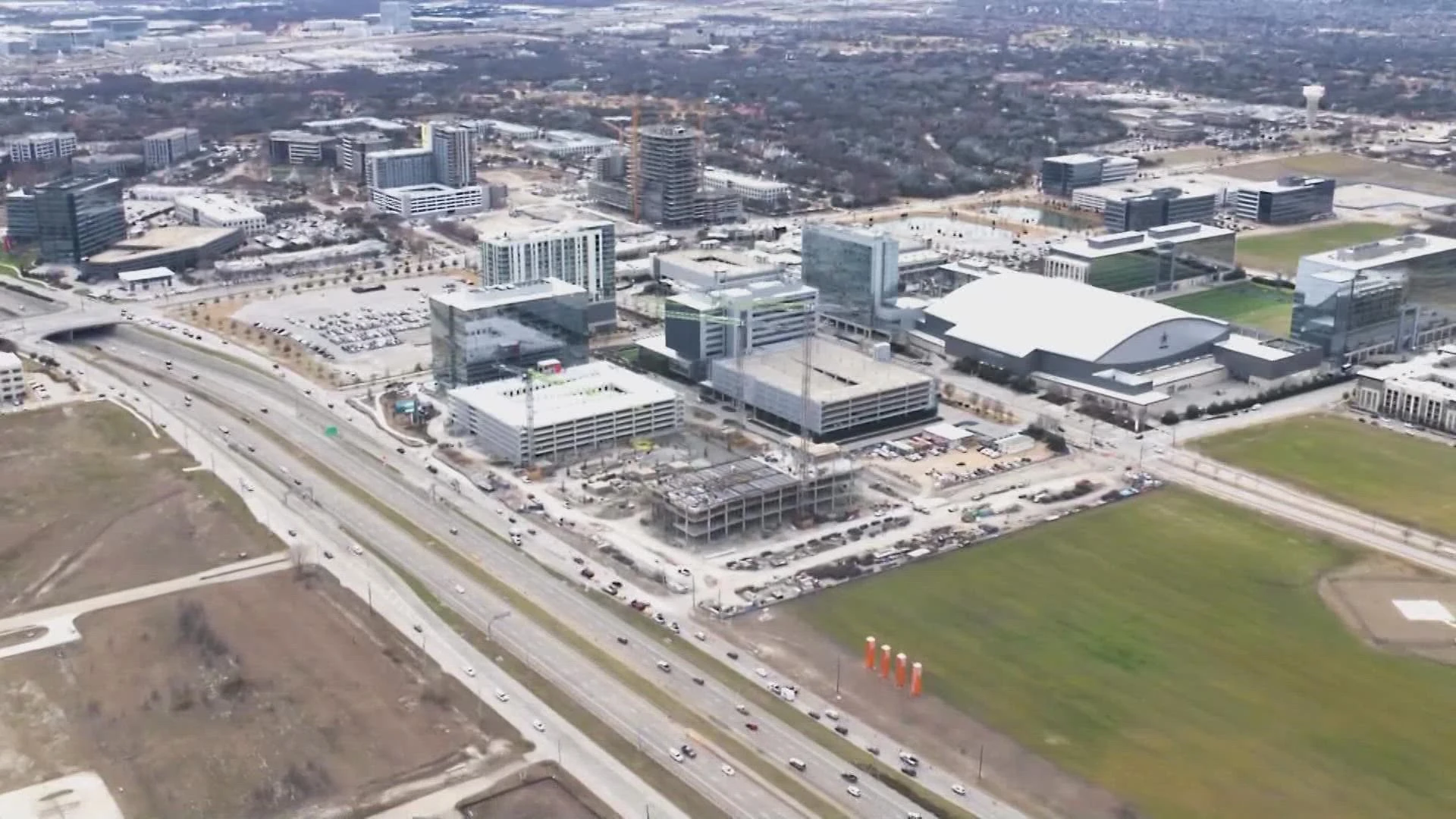
Budget frameworks for Frisco activations balance the lower base venue costs of suburban markets against transportation, specialized setup, and technology expenses that can equal or exceed those of more centralized locations. Accurate modeling draws on patterns observed across the full set of DFW targets, allocating resources according to expected attendee quality rather than sheer quantity. Reusable exhibit elements that deploy in Frisco, Plano, and Addison programs often improve amortization rates significantly.
Labor and material handling represent variable costs that require early consultation with service partners familiar with northern suburban rules. While specific union jurisdictions follow the patterns established for DFW overall, Frisco venues frequently operate with hybrid arrangements that reward advance planning. Contingency line items should address potential weather-related adjustments for events with outdoor components near sports facilities.
Return-on-investment calculations benefit from metrics tailored to Frisco’s strengths in relationship development and targeted lead qualification. When tracked consistently against parallel programs in Irving, Grapevine, or downtown Dallas, these numbers reveal clear guidance on optimal spend distribution across the metroplex. Many coordinators discover that incremental investment in experiential elements yields measurable advantages in this market’s consultative environment.
Long-term financial planning incorporates the city’s continued growth trajectory, positioning organizations to scale programs efficiently as new venues and corporate campuses come online while maintaining consistency with established DFW brand standards.
- Allocate for tollway transit and suburban handling variables
- Prioritize reusable assets across multiple DFW locations
- Tie budget categories to quality-focused KPIs
- Build contingency for seasonal northern corridor disruptions