Locations / Colleyville, TX Trade Show Planning and Coordination

Colleyville, TX Trade Show Planning and Coordination

Colleyville’s placement within the Dallas-Fort Worth metroplex supports strategic exhibit coordination across the region’s distinct venue clusters, from the Kay Bailey Hutchison Convention Center to specialized spaces in Grapevine, Arlington, Irving, Frisco, and Plano.

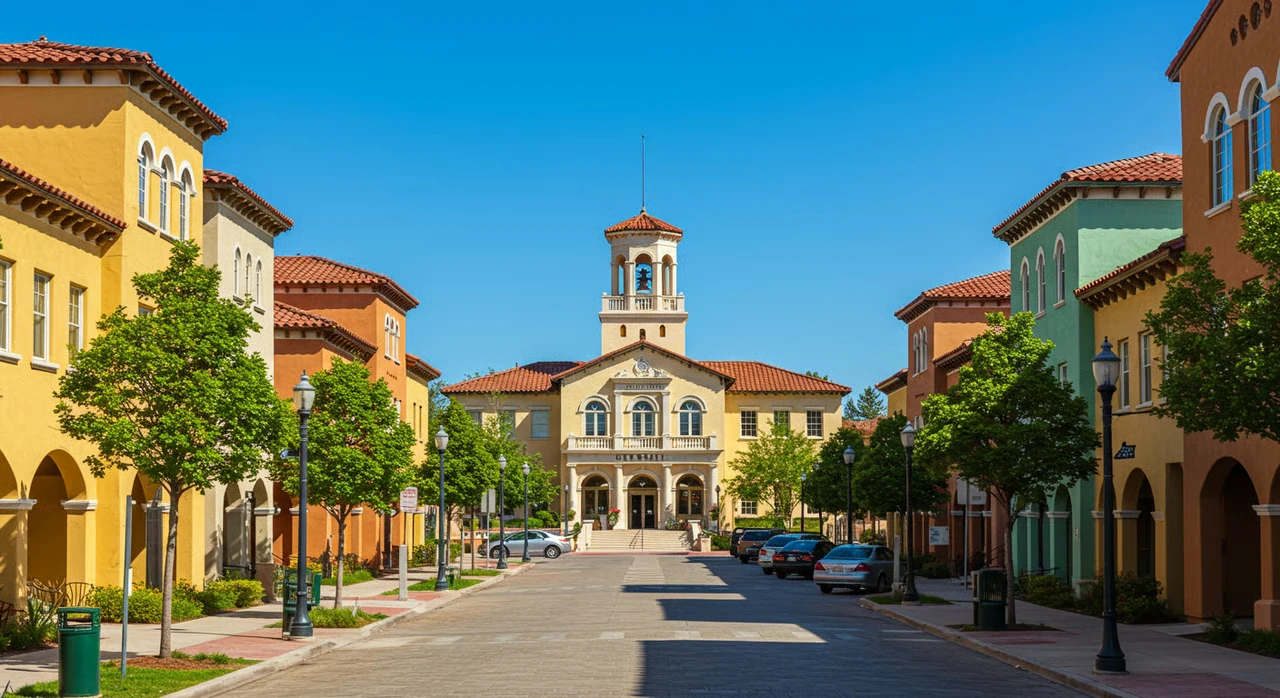
Colleyville Trade Show Exhibits visual for Exhibit House of Dallas
Location

Colleyville’s Strategic Position in DFW Exhibit Demand

The Dallas-Fort Worth area encompasses a network of thirty-five municipalities positioned along primary venue corridors, airport approaches, suburban corporate nodes, and secondary markets capable of supporting exhibit, conference, and activation activity. Colleyville is included in this network as a location that can realistically contribute to search intent related to these events. Its role is not as a standalone exhibition destination but as part of the interconnected planning landscape where organizations develop coordinated programs targeting the full spectrum of DFW opportunities.

This positioning allows planners to consider travel efficiencies, scheduling buffers, and logistics sequences that differ when moving between downtown Dallas, the hospitality-focused environments of Grapevine, the sports-adjacent infrastructure in Arlington, or the corporate-oriented venues in Plano and Frisco. Official resources from Visit Dallas, the Arlington Convention & Visitors Bureau, and Visit Frisco supply foundational market intelligence that informs these decisions. The emphasis remains on treating each cluster as operationally unique rather than interchangeable.

Planning resources for Colleyville therefore stress early identification of target venues based on industry alignment, expected attendance profiles, and documented facility requirements. This approach avoids assumptions about uniform processes and instead grounds coordination in the specific exhibitor guidelines, service partner directories, and operational manuals published by each major facility.

  • Recognition within the recommended DFW location network
  • Support for planning across convention, corporate, and activation demand
  • Emphasis on district-level operational differentiation
  • Utilization of CVB and convention center source materials
  • Avoidance of One Size Fits All execution assumptions

Kay Bailey Hutchison Convention Center Coordination Guidelines

The Kay Bailey Hutchison Convention Center stands as a primary large-scale venue within the Dallas portion of the DFW landscape. Coordination resources for Colleyville organizations direct attention to its official exhibitor pages covering what to expect, approved service partners, utilities ordering, and dock procedures. These documents establish the factual parameters for planning material handling, electrical requirements, and scheduling of advance shipments.

Service partner directories published by the center identify providers authorized for various aspects of exhibit support, enabling planners to map responsibilities and timelines accordingly. Utility specifications and dock schedules further inform the sequence of events from inbound freight arrival through to outbound return shipping. Planners are advised to consult these resources directly during the earliest phases of program development to align budgets, deadlines, and contingencies with center requirements.

Because the convention center operates under its own set of protocols distinct from suburban or hospitality venues, coordination efforts must isolate these rules rather than blending them with those of Grapevine or Arlington facilities. This venue-specific discipline helps maintain compliance and reduces friction during multi-day events that often serve as centerpieces in broader DFW exhibit calendars.

Colleyville planners benefit from incorporating these details into master timelines that also account for subsequent or preceding events in neighboring clusters, ensuring smooth brand representation across the metroplex.

  • Exhibitor expectation and service partner documentation
  • Utility ordering and dock operation references
  • Early consultation of official center resources
  • Isolation of Dallas-specific protocols from other clusters
  • Integration into multi-event master calendars

Differentiating Suburban and Airport-Area Venue Clusters

Beyond the Kay Bailey Hutchison Convention Center, the DFW region features several distinct clusters including Grapevine’s hospitality and tourism-oriented spaces, Arlington’s meetings and convention infrastructure tied to sports and entertainment, Irving’s airport-proximate facilities, and the northern suburban venues in Frisco and Plano. Each maintains separate operational contexts documented in their respective planning guides and venue directories.

The Irving Event Planning Guide, Arlington meetings resources, and Visit Frisco venue listings supply targeted intelligence on capacity, preferred setup styles, and ancillary service expectations. Coordination from Colleyville involves mapping these attributes against program goals while respecting the different labor-adjacent rules, material handling preferences, and audience flow patterns that characterize each district.

For example, activations in Grapevine may emphasize experiential elements within hotel or mixed-use environments, whereas Arlington programs might integrate with larger entertainment calendars. Frisco venues often cater to technology and corporate audiences with modern AV requirements. Successful planning isolates these nuances rather than applying Dallas-centric assumptions across all locations.

This district-level differentiation enables more precise budgeting, staffing forecasts, and measurement frameworks. It also supports calendar sequencing that minimizes downtime between events in proximate but operationally dissimilar clusters.

  • Grapevine hospitality node characteristics
  • Arlington sports and entertainment alignment
  • Irving airport corridor logistics factors
  • Frisco and Plano corporate venue profiles
  • Isolation of rules by municipal cluster

Logistics and Freight Routing Considerations

Regional logistics form an essential component of DFW exhibit coordination. Although Colleyville itself does not host primary exhibition facilities, its position within the network of recommended municipalities supports planning for freight movement to and from the major venues via established transportation corridors and airport proximity. Official dock and material handling information from the Kay Bailey Hutchison Convention Center, combined with CVB planning guides, provides the necessary parameters.

Planners must account for advance shipping windows, designated service partner involvement, and venue-specific inbound and outbound procedures. These elements vary between the large convention center docks in Dallas and the more boutique loading arrangements found at Grapevine or Irving hospitality properties. Coordination resources stress consultation of the Dallas Convention Center’s docks page and comparable documentation for other facilities to prevent scheduling conflicts.

Return logistics, storage between events, and documentation requirements also warrant early attention, particularly for organizations participating in sequential shows across multiple clusters. By treating logistics as an integrated planning function rather than an afterthought, Colleyville-based programs achieve greater predictability and cost control.

The absence of assumed uniform regional warehousing or handling rules reinforces the need for Venue by Venue verification using only the published resources from each facility.

  • Venue-published shipping and dock schedules
  • Service partner designation requirements
  • Sequential event freight sequencing
  • Documentation alignment across clusters
  • Early verification using official sources only

Building Multi-Venue Exhibit Calendars

Organizations often participate across several DFW clusters within a single annual cycle. A coordinated calendar developed with Colleyville in mind integrates the distinct operational timelines of Dallas, Fort Worth, Arlington, Irving, Grapevine, Frisco, and Plano. This process begins with cross-referencing show dates against venue-specific preparation lead times drawn from exhibitor resources and CVB planning documents.

Brand asset management, graphic refresh cycles, and measurement protocols must adapt to the varying scale and audience demographics of each venue. For instance, metrics effective at the Kay Bailey Hutchison Convention Center may require adjustment for more intimate Frisco or Grapevine environments. Planning therefore emphasizes modular program design that preserves core messaging while accommodating local operational realities.

Budget allocation, contingency buffers, and post-event evaluation loops complete the coordination framework. Resources such as the Dallas Market Hall and Fashion Industry Gallery listings offer additional reference points for organizations whose programs extend to specialized or boutique shows within the broader DFW calendar.

The result is a unified yet nuanced strategy that respects the documented rules of each facility and maximizes cumulative impact across the metroplex.

  • Cross-referencing of venue lead times
  • Modular design for differing scales
  • Adapted metrics by cluster audience
  • Budget and contingency integration
  • Inclusion of specialized venues like Dallas Market Hall

Operational Best Practices and Resource Utilization

Effective DFW exhibit coordination for Colleyville organizations rests on consistent use of primary source materials. The Kay Bailey Hutchison Convention Center’s pages on exhibitors, service partners, utilities, and docks, alongside the Irving Event Planning Guide, Arlington convention resources, and Visit Frisco venue information, form the factual core of any program. These documents are consulted repeatedly during planning, budgeting, and execution phases.

Best practices include creation of venue-specific checklists that capture unique requirements for electrical, internet, rigging, and cleaning services. Timeline buffers are inserted to accommodate differences in material handling windows or service partner availability. Post-event reviews focus on compliance outcomes, logistical efficiency, and audience engagement metrics adjusted for each district’s context.

This disciplined approach treats the DFW market as a collection of operationally distinct environments rather than a monolithic trade show region. It equips Colleyville planners with the nuance required to navigate everything from large convention center exhibitions to targeted corporate activations in suburban nodes.

Ongoing reference to updated CVB and convention center publications ensures coordination remains current with any procedural adjustments at individual facilities.

  • Repeated consultation of primary source documents
  • Venue-specific compliance checklists
  • Buffered timelines for operational variances
  • Metrics adjusted by district context
  • Reference to Dallas Market Hall and Fashion Industry Gallery
  • Commitment to factual, non-speculative planning

Measuring Outcomes Across DFW Venue Clusters

Performance evaluation completes the coordination cycle. Because each DFW cluster attracts slightly different attendee profiles, uniform KPIs can obscure meaningful insights. Colleyville planners are encouraged to develop cluster-specific success criteria informed by the scale, industry focus, and documented audience data published by venues and CVBs.

Lead generation, brand recall, and follow-up conversion rates may be tracked against the distinct environments of the Kay Bailey Hutchison Convention Center versus Grapevine hospitality events or Arlington entertainment-tied programs. Cost per qualified interaction can be calculated separately for large convention floors and boutique Frisco venues to inform future budget distribution.

Logistics efficiency metrics, such as on-time inbound receipt and outbound processing, provide operational feedback that can be applied when refining subsequent multi-venue calendars. These reviews rely exclusively on observable outcomes and venue-supplied data rather than generalized assumptions.

The cumulative learning from coordinated participation across recommended DFW locations strengthens future programs and supports more accurate forecasting for Colleyville organizations.

  • Cluster-specific KPI frameworks
  • Venue-published audience profile utilization
  • Separate cost and efficiency calculations
  • Operational feedback loops
  • Data-driven calendar refinement

Questions buyers ask

Colleyville, TX Trade Show Planning and Coordination

Why is Colleyville listed among DFW exhibit planning locations?

Colleyville is included in the network of municipalities that cover primary venue corridors, airport approaches, suburban corporate nodes, and secondary markets capable of supporting exhibit, conference, activation, and related search intent across the Dallas-Fort Worth region.

How do operational requirements differ across DFW venue clusters?

Each cluster maintains distinct protocols for service partners, utilities, docks, material handling, and scheduling. The Kay Bailey Hutchison Convention Center publishes specific exhibitor, partner, utility, and dock documentation, while Irving, Arlington, and Frisco provide their own planning guides and venue resources that must be consulted separately.

What role do official sources play in Colleyville exhibit planning?

Official sources including the Irving Event Planning Guide, Arlington meetings resources, Visit Frisco venue pages, and Kay Bailey Hutchison Convention Center exhibitor documentation supply the only approved facts for labor-adjacent rules, logistics, utilities, and service partner requirements.

Can a single program span multiple DFW cities and venues?

Yes. Coordinated multi-venue strategies are common. They require careful sequencing, brand asset management, and adaptation to the unique operational contexts of Dallas, Fort Worth, Arlington, Irving, Grapevine, Frisco, Plano, and other recommended locations.

What logistics elements should Colleyville planners prioritize?

Priority goes to venue-specific shipping deadlines, dock schedules, designated service partners, and alignment of freight movement with overall program timelines, using only published information from each facility.

Where should planners begin research for DFW events?

Begin with the Kay Bailey Hutchison Convention Center exhibitor and service partner pages, supplemented by Visit Dallas, the Arlington Convention & Visitors Bureau, Visit Frisco, and the Irving Event Planning Guide for cluster-specific intelligence.

Start here

Trade Show Displays of Dallas

Dallas trade show display planning designed around venue rules, message clarity, and reusable exhibit systems.

Start Your Scope