Locations / Trade Show Exhibit Coordination for DeSoto, TX

Trade Show Exhibit Coordination for DeSoto, TX

Strategic planning resources for DeSoto organizations participating in the full spectrum of DFW conventions, conferences, and industry events.

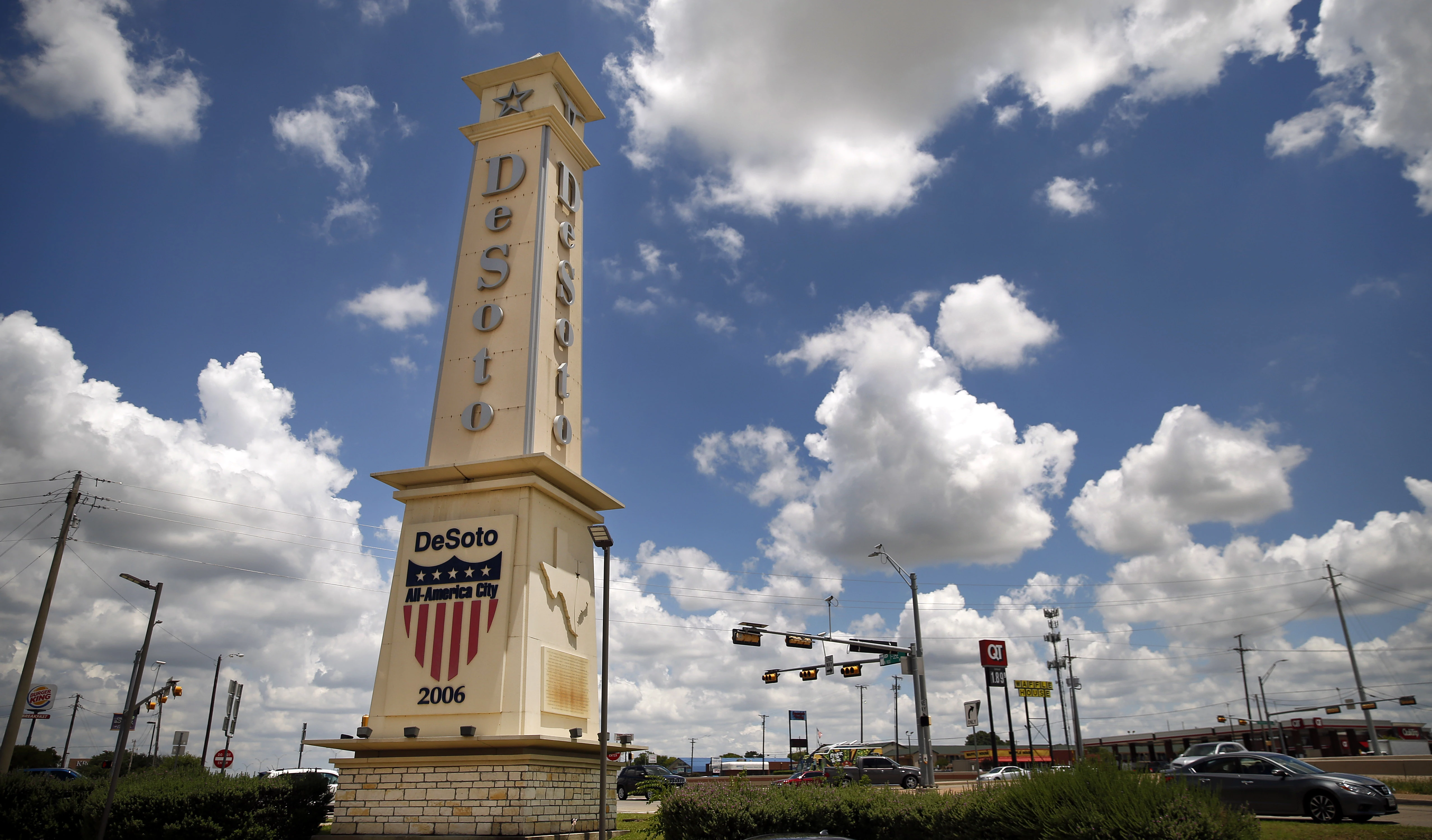
Desoto Trade Show Exhibits visual for Exhibit House of Dallas
Location

DeSoto Within the Southern DFW Exhibition Landscape

DeSoto functions as part of the network of southern Dallas County communities that feed into the broader DFW trade show ecosystem. Its location relative to major transportation arteries allows organizations to consider participation across multiple venue types without being constrained to a single corridor. The primary convention facilities in downtown Dallas, supported by extensive documentation on exhibitor processes, become accessible components of a regional strategy. This includes events at the Kay Bailey Hutchison Convention Center, where official resources detail everything from pre-show planning to on-site utilities and freight handling.

Successful coordination begins with recognizing that DFW does not operate as a monolithic market. Downtown Dallas, the Irving corridor, Arlington entertainment districts, and the growing Frisco node each maintain separate planning guides, labor considerations, and attendee demographics. DeSoto organizations benefit from resources that differentiate these environments rather than generalizing across them. For instance, events at Dallas Market Hall or the Fashion Industry Gallery often serve distinct industry verticals compared to the larger convention center programs, requiring tailored exhibit approaches and advance scheduling.

The surrounding suburban municipalities, including DeSoto alongside Cedar Hill, Lancaster, and Duncanville, contribute to the overall demand profile for exhibit coordination services. This positioning supports realistic participation in shows that draw regional, national, and international audiences to the DFW area. Planning emphasizes documented venue facts, published service partner lists, and official exhibitor portals to create repeatable processes that scale across multiple events per year.

Understanding Distinct Venue Clusters Across DFW

The Dallas-Fort Worth region features clearly differentiated venue clusters, each presenting unique operational contexts that must be addressed during planning. Downtown Dallas centers on the Kay Bailey Hutchison Convention Center, supported by dedicated exhibitor pages covering utilities, dock access, service partners, and what to expect during move-in and move-out. These resources establish baseline requirements for large-scale exhibitions that DeSoto organizations may target. In contrast, Irving and Grapevine venues frequently integrate with airport proximity and hospitality infrastructure, creating different freight and attendee flow dynamics.

Northern clusters led by Plano, Frisco, and Allen emphasize modern facilities often paired with technology-forward events and sports-related activations. Official venue directories for Frisco highlight meeting and exhibition spaces designed for flexibility. Arlington maintains its own convention and entertainment focus, with dedicated meetings resources that address exhibition needs within the broader entertainment district. Effective planning for DeSoto companies involves matching event goals to the most suitable cluster while respecting each location’s published procedures.

This differentiation prevents One Size Fits All approaches that fail under real-world conditions. Coordination resources help translate the specific exhibitor documentation from each venue into coherent project plans. Whether preparing for a show at the Dallas Convention Center with its detailed service partner ecosystem or targeting a Frisco property with specialized AV demands, the preparatory steps differ in meaningful ways that impact budgeting, timelines, and outcomes.

  • Kay Bailey Hutchison Convention Center maintains extensive exhibitor resources on utilities, docks, and service partners
  • Irving and Arlington venues integrate closely with regional hospitality and airport access
  • Frisco and northern facilities often prioritize technology and flexible hybrid configurations
  • Dallas Market Hall and Fashion Industry Gallery serve targeted industry segments with distinct operational rules

Logistics Coordination Referencing Official Venue Guidelines

Material handling and freight coordination form a central element of successful DFW exhibit programs. The Kay Bailey Hutchison Convention Center publishes specific information regarding docks, loading procedures, and material flow that planners must incorporate from the earliest stages. For organizations in DeSoto, this means building timelines that account for regional traffic patterns along southern approaches to downtown Dallas while adhering strictly to the center’s documented schedules and requirements.

Similar attention to official guidelines applies when targeting venues in Irving, Arlington, or Frisco. Each location maintains its own accepted practices for advance shipping, on-site storage, and dismantle processes. Coordination resources emphasize cross-referencing these published details rather than assuming uniformity. This prevents avoidable delays and ensures compliance with each facility’s expectations for exhibitor materials and third-party partners.

Effective logistics planning also considers the full event lifecycle, from initial outbound preparation in the DeSoto area through return of assets after the show. By anchoring all decisions in venue-provided documentation, organizations create defensible, repeatable processes that support participation in multiple DFW events annually. The focus remains on planning rigor and information accuracy drawn from convention center resources.

  • Reference published dock and freight schedules for each target venue
  • Incorporate utility ordering deadlines listed in official exhibitor portals
  • Align third-party carrier instructions with individual facility regulations
  • Maintain documentation trails referencing service partner directories

Service Partner Ecosystems at Primary Convention Facilities

Major DFW venues maintain curated lists of approved service partners responsible for various aspects of exhibition execution. The Kay Bailey Hutchison Convention Center provides an explicit service partner directory that covers categories from general contractors and electrical providers to technology and rigging specialists. Planners working on behalf of DeSoto organizations use these directories to ensure all selected vendors align with venue policies and labor regulations.

This ecosystem approach extends to other clusters, including facilities referenced in Irving’s event planning guides and Arlington’s convention resources. Each maintains distinct parameters for partner engagement that influence budgeting and contracting. Coordination involves mapping required services against these approved lists well in advance of show deadlines. Such diligence reduces compliance risk and supports smoother program delivery across the varied DFW landscape.

Understanding these partner networks also helps when specifying custom exhibit components or technology integrations. By selecting from venue-endorsed providers where required, organizations maintain alignment with official rules while still achieving differentiated presence. Planning resources highlight the importance of early engagement with these directories rather than retroactive adjustments.

Exhibit Strategy Development Aligned with Venue Specifications

Exhibit design and fabrication decisions gain clarity when anchored to the specific requirements of target DFW venues. The Kay Bailey Hutchison Convention Center’s exhibitor utilities and expectations pages inform dimensional tolerances, power configurations, and structural considerations that must be addressed during the creative phase. Similar reference points exist for Dallas Market Hall and other facilities, creating a foundation for designs that perform effectively within their intended environments.

For DeSoto organizations participating across multiple clusters, this often means developing modular or adaptable solutions capable of satisfying differing booth size restrictions, ceiling heights, and AV capabilities. Planning emphasizes functional alignment with documented venue parameters while supporting brand objectives. This approach avoids costly on-site modifications and ensures the exhibit contributes measurably to event goals.

Successful strategies also incorporate audience considerations unique to each cluster. Downtown Dallas events may attract different decision-maker profiles than those in Frisco or Irving. Coordination resources help translate these nuances into briefing documents that guide creative teams toward solutions optimized for the specific shows under consideration.

  • Reference official utility specifications when specifying electrical and data requirements
  • Align dimensional plans with published booth and aisle guidelines
  • Incorporate venue-specific rigging or hanging rules where applicable
  • Build flexibility into components to support multiple DFW event types

Timeline Construction and Critical Milestones

Comprehensive timeline development represents one of the highest-value contributions of professional coordination. Drawing from the planning guides published by DFW venues, effective schedules incorporate early ordering deadlines, freight cutoffs, labor call windows, and dismantle windows specific to each facility. For programs spanning DeSoto origination and multiple venue clusters, these timelines must also accommodate internal review cycles and asset preparation periods.

The Kay Bailey Hutchison Convention Center and companion Dallas facilities provide clear exhibitor timelines that experienced planners adapt to individual program needs. Similar patterns emerge from resources covering Irving, Arlington, and Frisco venues. The resulting master schedule prevents last-minute crises and creates predictable checkpoints for asset readiness, graphics production, and team briefings.

Beyond single events, strategic coordination often involves multi-year calendars that sequence participation across the DFW market. This long-horizon view allows for asset amortization, knowledge transfer between shows, and continuous refinement based on documented outcomes. Planning resources stress the discipline of milestone tracking anchored to official venue publications.

Technology Integration and Post-Event Measurement

Modern DFW events increasingly incorporate digital, interactive, and data-capture elements that must be coordinated with venue infrastructure. Official resources from the Kay Bailey Hutchison Convention Center detail available utilities and approved providers for internet, power, and audiovisual support. Comparable information exists for other clusters, enabling planners to specify technology packages that integrate cleanly with each location’s capabilities.

Measurement frameworks complete the coordination cycle. By establishing clear success criteria before the show and capturing relevant data during and after, DeSoto organizations can evaluate ROI across different venue types and event formats. This evidence-based approach informs future participation decisions and drives incremental improvements in exhibit strategy, messaging, and logistics.

The combination of rigorous pre-event planning, venue-aligned execution parameters, and structured post-event analysis creates sustainable programs capable of delivering consistent value across the diverse DFW exhibition calendar.

  • Coordinate internet and electrical orders through approved venue channels
  • Align interactive technology specifications with published infrastructure limits
  • Capture lead, engagement, and traffic metrics using consistent methodologies
  • Compare outcomes across downtown, northern, and western venue clusters

Questions buyers ask

Trade Show Exhibit Coordination for DeSoto, TX

How does DeSoto fit into broader DFW trade show planning?

DeSoto serves as a southern Dallas County base within the larger network of suburbs that support participation in events across multiple DFW venue clusters. Its connectivity to primary transportation corridors allows organizations to target shows at the Kay Bailey Hutchison Convention Center, Irving facilities, Arlington venues, Frisco properties, and additional sites while following each location’s published exhibitor guidelines and service partner requirements.

What official resources should DeSoto exhibitors consult first?

Planners recommend beginning with the exhibitor sections of target venues, particularly the Kay Bailey Hutchison Convention Center’s pages on what to expect, service partners, utilities, and docks. Complementary guides from Irving, Arlington, and Frisco venues provide cluster-specific details. These documented sources establish accurate parameters for timelines, budgeting, and compliance.

Are requirements different across Dallas, Irving, Frisco, and Arlington?

Yes. Each cluster maintains distinct operational contexts, freight procedures, utility specifications, and approved partner ecosystems. Downtown Dallas convention resources emphasize large-scale infrastructure, while northern and western venues often integrate hospitality, technology, or entertainment elements. Coordination resources highlight these distinctions to prevent mismatched assumptions.

How are service partners selected for DFW events?

Venue-maintained directories of approved service partners provide the authoritative starting point. The Kay Bailey Hutchison Convention Center and comparable facilities publish these lists to ensure regulatory compliance and operational compatibility. Planners cross-reference program needs against these directories well in advance of show deadlines.

Start here

Trade Show Displays of Dallas

Dallas trade show display planning designed around venue rules, message clarity, and reusable exhibit systems.

Start Your Scope