Locations / Duncanville TX Exhibit Planning and Coordination

Duncanville TX Exhibit Planning and Coordination

Strategic exhibit planning and coordination resources for businesses and organizations based in Duncanville, Texas, supporting successful DFW trade show and convention participation.

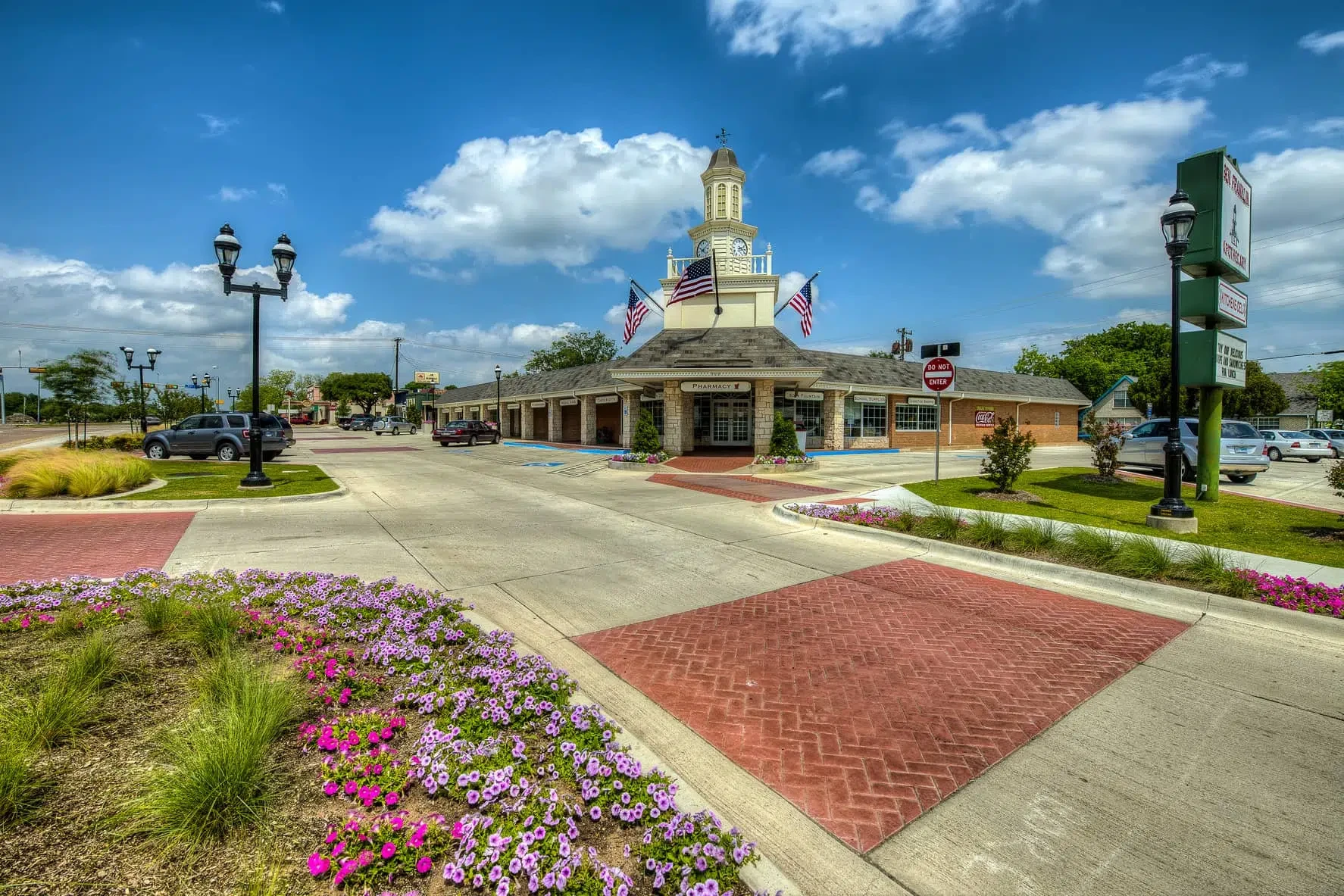
Duncanville Trade Show Exhibits visual for Exhibit House of Dallas
Location

Duncanville in the Context of DFW Event Demand

Duncanville represents one of the many suburban communities that form the foundation of the Dallas-Fort Worth metropolitan events market. With its position in the southern sector of the metroplex, the city enables organizations to engage with the region's substantial demand for exhibits, activations, meetings, and related programming that spans multiple industries and event scales.

The broader DFW area draws significant activity from convention centers, hospitality nodes, corporate campuses, and specialized facilities. Planning efforts for Duncanville-based entities must therefore account for how these different environments operate, ensuring alignment between exhibit objectives and the distinct characteristics of each selected location.

Resources dedicated to coordination emphasize early-stage strategy development. This includes mapping event calendars, identifying target audiences, and preparing materials that perform effectively whether deployed at large-scale conventions or more focused industry gatherings throughout the region.

Differentiating DFW Venue Clusters

The Dallas-Fort Worth region features several distinct venue clusters, each with its own operational context and audience draw. Downtown Dallas offers large-scale convention infrastructure ideal for broad industry events, while Arlington emphasizes sports, entertainment, and experiential activations that leverage the area's visitor attractions.

Irving, Grapevine, and Addison provide hospitality-focused environments that blend meeting facilities with hotel and dining amenities, creating convenient experiences for corporate and association gatherings. Further north, Plano and Frisco have developed modern conference and exhibition spaces that cater to technology, finance, and lifestyle markets, each presenting unique considerations for program scale and attendee flow.

Understanding these distinctions allows Duncanville-based planners to select the most appropriate locations for their specific exhibit needs. Coordination that respects these differences helps optimize design choices, material handling plans, and on-site management approaches across the metroplex.

Official planning guides from these areas highlight the value of reviewing venue specifications early. This preparation supports compliance, reduces unexpected costs, and enhances the overall effectiveness of exhibit programs targeting DFW participants.

  • Dallas: Large convention center focus with extensive infrastructure
  • Arlington: Entertainment and sports venue emphasis with experiential opportunities
  • Irving and Grapevine: Hospitality and corporate meeting integration
  • Frisco and Plano: Modern facilities serving technology and business sectors
  • Specialized venues offering industry-specific exhibition formats

Preparing for Major Dallas Conventions

The Kay Bailey Hutchison Convention Center stands as a cornerstone of the DFW events calendar, hosting a wide variety of trade shows and conferences throughout the year. Exhibitors benefit from familiarizing themselves with the center's exhibitor guidelines, including information on what to expect during move-in, show days, and dismantle periods.

Service partners play an important role in successful execution at this venue. Coordination through official channels ensures access to approved providers for installation support, material handling, and other essential functions while maintaining full regulatory compliance.

Advanced planning for utilities such as electrical, internet, and additional services helps avoid last-minute complications that can impact program quality. Similarly, understanding dock procedures contributes to smoother material flow from initial delivery through final removal of exhibits.

Organizations in Duncanville should integrate these venue requirements into their broader coordination timelines. This forward-looking approach accounts for the full event lifecycle and supports smooth participation in high-volume convention environments.

Exploring Specialized and Suburban Venues

Beyond primary convention facilities, the DFW area includes specialized venues such as Dallas Market Hall and the Fashion Industry Gallery, which serve targeted industries with distinct exhibition formats and operational expectations. These spaces often call for more agile design solutions and customized coordination compared to larger centers.

Arlington's convention resources focus on creating memorable experiences that connect with the region's entertainment infrastructure. Meanwhile, venues in Frisco and surrounding areas prioritize contemporary layouts and technology integration suitable for corporate meetings and targeted industry events.

Effective planning draws from official venue documentation to adapt strategies for each location. Attention to these details helps exhibitors avoid common pitfalls related to setup windows, audience management, and post-event requirements across different facility types.

For Duncanville organizations, this variety enables the construction of diversified event calendars. Strategic coordination across clusters expands market reach while allowing for consistent brand messaging tailored to each specific environment.

  • Industry-specific facilities requiring unique display considerations
  • Hospitality-integrated venues combining exhibits with meeting spaces
  • Entertainment-oriented locations emphasizing experiential design
  • Modern suburban conference centers with flexible configurations

Logistics Coordination Best Practices

Successful exhibit programs depend on meticulous logistics planning, particularly when bridging suburban locations like Duncanville with urban convention centers or specialized facilities. Developing comprehensive schedules that account for preparation, transport, installation, show management, and dismantle helps maintain control over both costs and outcomes.

Material handling and shipping considerations should be addressed in the earliest planning stages. Coordination with providers familiar with DFW venue protocols ensures assets are managed appropriately from departure through return, supporting timeline integrity and asset protection.

Budgeting for logistics requires examination of the full spectrum of activities rather than isolated line items. This holistic perspective supports more accurate forecasting, helps identify efficiency opportunities, and contributes to stronger overall return on investment for exhibit initiatives.

By maintaining a planning-first orientation, Duncanville entities can execute programs that reinforce brand objectives while navigating the operational realities of the region's multifaceted events market.

Strategic Budgeting and Timeline Development

Creating realistic budgets for DFW exhibit participation involves balancing creative goals with practical operational requirements across multiple cost categories. Factors including venue services, design complexity, material transport, and coordination resources all influence the total investment and expected returns.

Timeline development should commence well in advance of event dates, incorporating milestones for concept approval, fabrication, pre-order deadlines for venue services, and contingency buffers. This structured approach minimizes disruptions and allows for quality control at every stage.

Post-event evaluation forms a critical component of long-term success. Collecting data on engagement metrics, lead quality, and cost efficiency provides actionable insights that refine future programs and demonstrate the value of coordinated exhibit strategies.

Duncanville organizations that adopt these disciplined planning practices position their events programs for continuous improvement and sustained impact within the competitive DFW landscape.

  • Comprehensive identification of all program cost centers
  • Incorporation of buffer periods for supply chain variables
  • Defined milestones for design, production, and approval stages
  • Selection of relevant KPIs aligned with event objectives

Building Long-Term Exhibit Programs

Rather than approaching each event in isolation, leading organizations develop integrated exhibit programs that evolve over time. This strategic framework supports asset optimization, design refinement based on performance data, and accumulation of institutional knowledge that reduces redundancy and improves efficiency.

Coordination across the full range of DFW venue clusters creates opportunities for synergistic campaigns that amplify reach. Planning resources help identify how participation in downtown conventions, suburban corporate events, and specialized shows can reinforce one another within a unified strategy.

The events industry continues to evolve with changing audience expectations and venue capabilities. Staying informed through official sources and industry updates ensures that coordination approaches remain current and that programs deliver relevant, high-impact experiences.

Dedicated attention to planning and coordination transforms exhibit participation from a series of one-off activities into a powerful, measurable component of regional business development for Duncanville organizations and their peers across the Dallas-Fort Worth area.

Questions buyers ask

Duncanville TX Exhibit Planning and Coordination

How does Duncanville fit into the larger DFW events market?

Duncanville functions as an integral suburban component of the Dallas-Fort Worth events ecosystem, providing a base for organizations that participate in shows, conferences, and activations across multiple distinct venue clusters throughout the region.

What are the main convention facilities recommended for Duncanville exhibitors?

Primary facilities include the Kay Bailey Hutchison Convention Center in Dallas along with key venues in Arlington, Irving, Frisco, Grapevine, Plano, and specialized locations such as Dallas Market Hall that align with specific industry and event requirements.

Why is venue cluster differentiation important in exhibit planning?

Each DFW cluster presents unique operational contexts, audience profiles, infrastructure capabilities, and logistical requirements. Understanding these differences enables more precise program design, better resource allocation, regulatory compliance, and improved event outcomes.

What role do service partners play at DFW venues?

Service partners provide essential support for utilities, installation, material handling, exhibit management, and other on-site needs. Utilizing approved partners through official channels helps ensure compliance with venue regulations and supports smooth operational execution.

How far in advance should exhibit programs for DFW events be planned?

Comprehensive planning typically begins six to twelve months prior to major events. This timeframe allows sufficient coordination for design, fabrication, logistics alignment, service partner engagement, and adherence to venue-specific deadlines and requirements.

What metrics should be used to evaluate exhibit success in the DFW market?

Key performance indicators include lead quality and quantity, attendee engagement levels, brand recall measurements, cost per interaction, and overall return on investment when compared against clearly established program objectives and benchmarks.

Start here

Trade Show Displays of Dallas

Dallas trade show display planning designed around venue rules, message clarity, and reusable exhibit systems.

Start Your Scope