Locations / Lancaster TX Trade Show Planning and Exhibit Coordination

Lancaster TX Trade Show Planning and Exhibit Coordination

Authoritative guidance for businesses in Lancaster, Texas, coordinating successful participation in the diverse Dallas-Fort Worth exhibition venues and events.

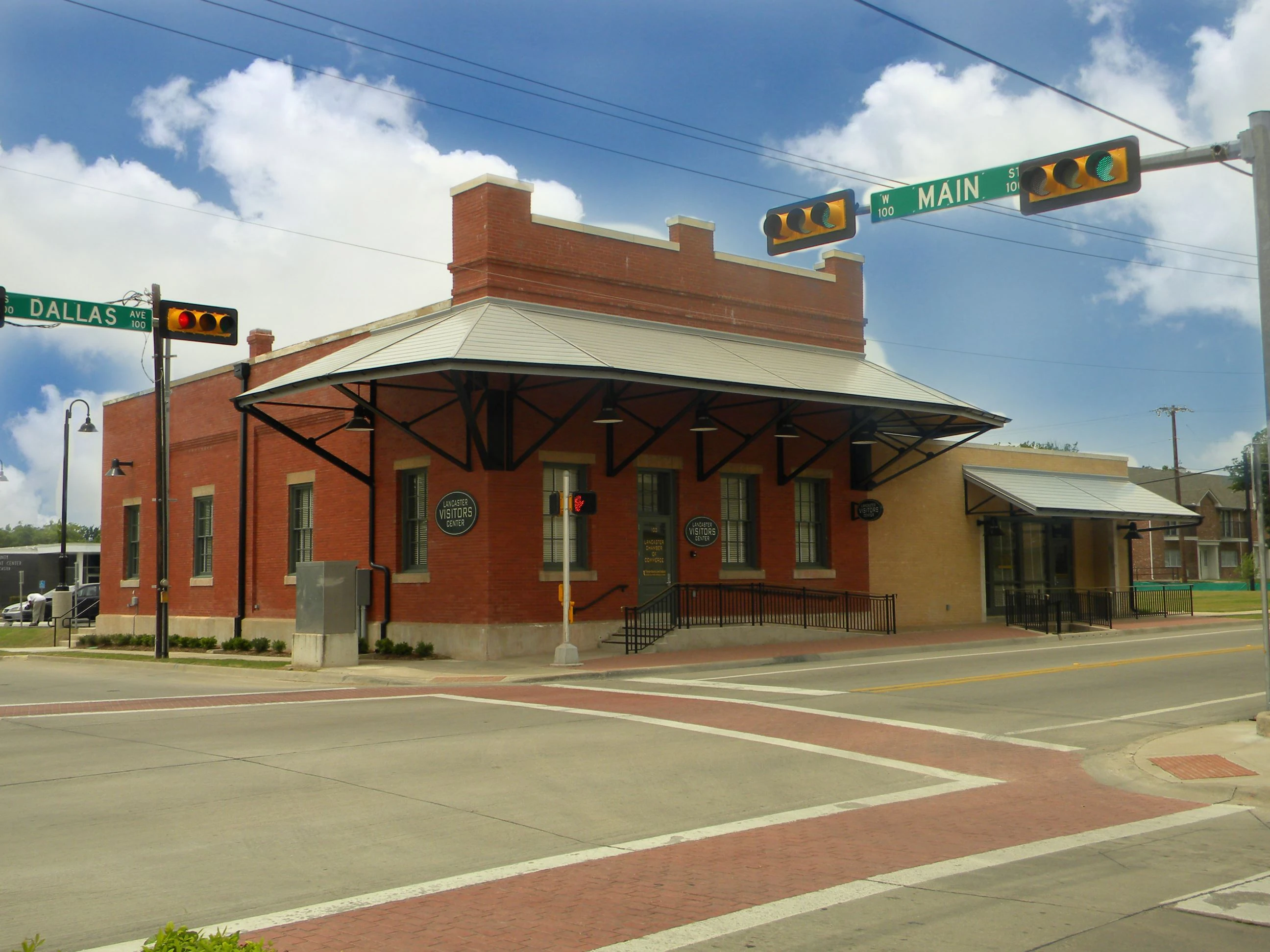
Lancaster Trade Show Exhibits visual for Exhibit House of Dallas
Location

Mapping Lancaster Within the Broader DFW Exhibition Landscape

Lancaster contributes to the North Texas events market as a suburban business community positioned to access multiple venue concentrations throughout the Dallas-Fort Worth region. The metropolitan area features distinct operational zones, each presenting different scales, audience profiles, and logistical demands. Downtown Dallas serves as the primary hub for large industry trade shows through facilities such as the Kay Bailey Hutchison Convention Center, which supports extensive exhibit programs with comprehensive infrastructure for utilities, rigging, and attendee flow. Planning from Lancaster involves evaluating how these central venues align with specific exhibition goals compared to more targeted suburban options.

Neighboring clusters provide meaningful alternatives for Lancaster organizations. Arlington combines convention capabilities with entertainment and sports venues, creating opportunities for experiential marketing that extends beyond traditional booth setups. Irving, Grapevine, and Frisco host modern conference centers and hospitality-driven properties suited to mid-sized corporate events, technology showcases, and specialized conferences. These environments often emphasize connectivity, comfort, and focused networking rather than sheer scale. Resources that catalog these distinctions help Lancaster planners select venues where their messaging and objectives achieve optimal resonance with intended audiences.

Successful integration into this landscape requires more than geographic proximity. It depends on early analysis of show histories, attendee demographics, and venue operational profiles. Coordination frameworks that emphasize these factors allow companies to build repeatable processes that improve performance across multiple events per year. This approach transforms trade show participation from isolated tactical activities into strategic components of regional market development.

  • Downtown Dallas cluster centered on Kay Bailey Hutchison Convention Center for large-scale shows
  • Arlington venues blending business with entertainment and sports activations
  • Irving and Grapevine focused on conference and hospitality-driven events
  • Frisco and Plano properties supporting technology and corporate gatherings
  • Dallas Market Hall and Fashion Industry Gallery for specialized wholesale and industry programming

Logistics Coordination for Exhibits Moving Through the DFW Region

Effective freight management represents a foundational element of successful DFW exhibition planning for Lancaster organizations. Major venues maintain structured procedures for inbound and outbound material handling, dock access, and carrier coordination that must be incorporated into project timelines. These requirements vary by facility, with dedicated resources available through official exhibitor portals that detail advance shipping deadlines, labeling standards, and storage options between related events in the calendar.

Planning resources emphasize the importance of aligning transportation choices with exhibit scale, show sequence, and overall budget parameters. Full truckload, Less Than Truckload, and specialized handling options each carry different implications for scheduling and cost predictability. For companies participating in multiple DFW programs annually, developing standardized logistics protocols helps minimize repeated expenses and reduces the risk of last-minute adjustments that can disrupt move-in schedules at busy facilities like the Kay Bailey Hutchison Convention Center.

Documentation, inventory accuracy, and contingency planning further strengthen logistical outcomes. Thorough preparation of bills of lading, exhibitor badges, and material lists ensures smoother interaction with venue-appointed service partners responsible for drayage and handling. By treating logistics as an integrated component of the larger event strategy rather than an afterthought, Lancaster planners can achieve greater cost efficiency and operational reliability across their regional exhibition programs.

Navigating Service Partner Requirements at Primary DFW Venues

The Kay Bailey Hutchison Convention Center and other major DFW facilities operate through established networks of approved service partners responsible for electrical, internet, rigging, cleaning, and related support functions. Understanding how these ecosystems function enables Lancaster-based exhibitors to coordinate effectively without encountering compliance issues or unexpected surcharges. Official exhibitor guides provide directories and ordering processes that should be reviewed during the initial planning phases of any event.

Each venue cluster maintains slightly different emphases in its service partner framework. Downtown Dallas facilities typically feature comprehensive in-house and third-party options calibrated for high-volume trade shows, while suburban venues in areas like Irving and Frisco may consolidate certain services to streamline the exhibitor experience. Coordination resources help interpret these differences so that ordering timelines, payment procedures, and technical specifications receive appropriate attention before deadlines pass.

Successful engagement with these partners extends beyond transactional ordering. It includes clear communication of exhibit requirements, advance submission of floor plans when required, and proactive confirmation of all arrangements. By building familiarity with the documented processes at target venues, Lancaster organizations develop institutional knowledge that reduces friction and supports consistent execution quality across their DFW event portfolio.

  • Review service partner directories provided by each convention center
  • Align ordering schedules with published advance deadlines
  • Prepare technical specifications for electrical and connectivity needs
  • Document all confirmations and communications for reference

Utility and Technical Infrastructure Planning for DFW Exhibits

Utility requirements form a critical but sometimes overlooked component of exhibit coordination in the DFW market. Facilities including the Kay Bailey Hutchison Convention Center maintain detailed specifications for electrical service, internet bandwidth, plumbing, and audiovisual support that vary according to booth location and show type. Early review of these parameters allows Lancaster planners to incorporate appropriate line items into budgets and design briefs before committing to specific booth footprints.

Technical planning also encompasses considerations for rigging points, hanging signs, floor load capacities, and data requirements that differ across venue clusters. Downtown convention centers typically support more complex installations, while hospitality-focused properties in Grapevine or Addison may emphasize wireless connectivity and integrated presentation systems. Resources that highlight these operational details help ensure that exhibit elements perform as intended within the physical constraints of each selected facility.

Integration of utility planning with overall exhibit strategy prevents costly on-site modifications and supports smooth attendee experiences. Whether the program emphasizes lead generation, product demonstration, or brand immersion, alignment between technical infrastructure and creative execution increases the likelihood of measurable results. Lancaster companies benefit from systematic approaches that address these elements during the concept development phase rather than as reactive adjustments.

Exhibit Design Approaches Suited to North Texas Venues

Design strategies for DFW events should reflect the operational realities and audience expectations characteristic of the region’s primary venue clusters. Lancaster organizations often find success with modular systems that accommodate varying booth sizes across multiple shows while maintaining visual consistency. These approaches support efficient shipping, assembly, and reconfiguration without requiring complete rebuilds between events in Dallas, Arlington, or Frisco.

Creative development benefits from awareness of common traffic patterns, session schedules, and competitive contexts at target venues. The Kay Bailey Hutchison Convention Center’s large halls favor bold, vertically prominent designs that stand out from a distance, whereas more intimate conference settings in Plano or Irving reward conversational layouts and interactive technology applications. Planning resources assist in matching these environmental factors to communication objectives and measurement criteria.

Rental options provide flexibility for companies testing new markets or adjusting budgets between fiscal periods. Professional coordination helps evaluate which properties align with both short-term event needs and longer-term brand architecture. By combining strategic design thinking with practical knowledge of DFW venue specifications, Lancaster exhibitors create environments that enhance engagement while respecting all technical and safety parameters established by facility management.

  • Modular systems for multi-venue flexibility
  • Vertical elements for visibility in large halls
  • Interactive components for conference-style settings
  • Consistent branding across varying booth footprints

Timeline Development and Checklist Frameworks

Comprehensive timeline creation represents one of the most effective tools for Lancaster companies managing DFW exhibition schedules. Major venues publish exhibitor manuals with specific deadlines for freight, service orders, badge requests, and final payments that must be incorporated into master project calendars. Coordination resources help translate these venue-specific dates into actionable internal milestones that account for decision gates, design reviews, and approval processes.

Effective timelines extend beyond move-in and move-out windows to include pre-show promotional activities, staff briefing sessions, lead capture system configuration, and post-event debriefs. For organizations participating in sequential events across Arlington, Dallas, and suburban locations, these integrated schedules prevent overlap conflicts and ensure adequate preparation time between programs. Regular checkpoint reviews allow for adjustment when show requirements evolve or internal priorities shift.

Checklist frameworks further reduce the probability of overlooked details. Categories addressing graphics production, collateral material preparation, staff scheduling, transportation arrangements, and measurement protocols create repeatable systems that improve efficiency over time. Lancaster planners who adopt these structured methodologies report greater confidence in their ability to deliver consistent results across the diverse range of opportunities available in the North Texas market.

Budget Development and ROI Optimization for Regional Events

Developing realistic budgets for DFW participation requires granular understanding of both fixed and variable cost components associated with different venue types. Lancaster organizations benefit from frameworks that separate exhibit design and rental, freight, material handling, utilities, service partner fees, and promotional elements. Historical data from previous events at the Kay Bailey Hutchison Convention Center or Irving venues can inform more accurate forecasting for similar future programs.

Cost management extends to strategic decisions about booth size, show selection, and support activities. Certain suburban conferences may deliver higher qualified lead ratios at lower overall investment levels than massive downtown trade shows, depending on the company’s specific objectives. Coordination planning helps evaluate these tradeoffs so that exhibition spending aligns with broader marketing priorities and expected business outcomes.

ROI optimization involves establishing clear metrics before the event and implementing consistent tracking methods. Whether the focus rests on lead volume, meeting counts, brand impressions, or direct sales, predefined measurement approaches enable meaningful post-event analysis. This data then informs refinements to future participation strategies, creating a cycle of continuous improvement that maximizes the value of Lancaster’s engagement with the dynamic North Texas events market.

Questions buyers ask

Lancaster TX Trade Show Planning and Exhibit Coordination

How does Lancaster connect to the primary DFW trade show venues?

Lancaster functions as a suburban community within the larger Dallas-Fort Worth metropolitan area whose businesses regularly participate in events at established facilities including the Kay Bailey Hutchison Convention Center Dallas, venues in Arlington, Irving, Frisco, Grapevine, and Dallas Market Hall. Planning focuses on understanding the distinct operational requirements of each venue cluster.

What should Lancaster companies prioritize when preparing for regional exhibitions?

Priority areas include early venue research, integration of service partner requirements, development of realistic timelines, alignment of exhibit design with specific hall characteristics, and creation of measurement frameworks that support ongoing program refinement across multiple DFW events.

Are there differences in operational requirements across DFW venue clusters?

Yes. Downtown Dallas facilities such as the Kay Bailey Hutchison Convention Center maintain comprehensive service partner directories and detailed exhibitor procedures for large-scale shows. Suburban venues in Irving, Frisco, and Arlington emphasize different logistical rhythms, utility options, and attendee experience standards that require tailored preparation.

How can companies based in Lancaster measure trade show success in the DFW market?

Effective measurement combines pre-established objectives with consistent tracking of leads, meetings, brand interactions, and follow-up conversion rates. Post-event analysis should compare results against both internal benchmarks and the specific characteristics of each venue cluster to inform future participation decisions.

Start here

Trade Show Displays of Dallas

Dallas trade show display planning designed around venue rules, message clarity, and reusable exhibit systems.

Start Your Scope