Locations / Mansfield TX Exhibit Planning for DFW Venues

Mansfield TX Exhibit Planning for DFW Venues

Strategic coordination resource for trade show exhibits targeting the full range of Dallas-Fort Worth convention facilities, with focused attention on operational details relevant to Mansfield-based exhibitors.

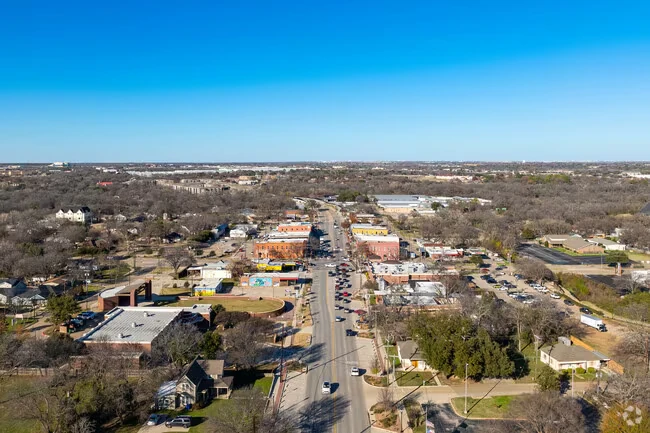
Mansfield Trade Show Exhibits visual for Exhibit House of Dallas
Location

Mansfield Within the DFW Exhibition Landscape

Mansfield functions as a strategic suburban node in the southern sector of the Dallas-Fort Worth metropolitan region. Companies based here regularly target exhibitions and conferences held at the primary convention centers and specialized venues distributed across multiple distinct clusters. This positioning requires exhibit planning that respects the unique operational context of each destination rather than applying a uniform approach.

The Kay Bailey Hutchison Convention Center Dallas publishes comprehensive exhibitor resources covering everything from arrival procedures to on-site expectations. Similar documentation exists for facilities in Arlington and Frisco, each reflecting the specific infrastructure and labor parameters of those locations. Coordination from Mansfield therefore begins with thorough review of these venue-specific manuals to establish realistic timelines and resource requirements.

Secondary municipalities such as Mansfield contribute to the overall DFW demand profile by supplying both exhibitors and attendees to events that anchor in the primary corridors. Effective planning acknowledges this dynamic by building in appropriate buffers for transportation variables and by selecting exhibit elements that perform reliably across the range of facility types present in the metroplex.

  • Review of official exhibitor guides for each target facility
  • Mapping of show schedules against cluster-specific access points
  • Integration of published service partner options into coordination plans
  • Alignment of exhibit design with varying booth dimension standards

Arlington and Fort Worth Venue Considerations

Arlington maintains a concentrated cluster of meeting and exhibition facilities supported by its convention and visitors resources, creating a distinct operational environment compared to downtown Dallas or northern suburban venues. For Mansfield exhibitors, this cluster represents one of the more proximate destination categories within the DFW region, influencing both freight routing decisions and installation scheduling.

The planning process for Arlington events incorporates the specific utility provisions, loading access points, and service requirements outlined in local convention materials. These details differ meaningfully from those at the Kay Bailey Hutchison Convention Center or the Frisco venue collection, necessitating Cluster by Cluster customization rather than standardized templates.

Fort Worth venues similarly operate under their own set of exhibitor protocols that emphasize different aspects of material handling and on-site coordination. When building a regional exhibit program from Mansfield, these distinctions guide the selection of display components, the timing of advance shipments, and the allocation of coordination resources across multiple simultaneous or sequential events.

This level of differentiation ensures that exhibit programs remain compliant with each facility's published rules while optimizing the flow of materials from southern DFW origins through the respective venue infrastructures.

Dallas Convention Center and Market Hall Logistics

The Kay Bailey Hutchison Convention Center Dallas functions as a cornerstone facility with detailed exhibitor documentation addressing docks, utilities, service partners, and operational expectations. Coordination resources for Mansfield organizations focus on translating these materials into precise action plans that account for freight movement from southern entry points into the downtown Dallas footprint.

Dallas Market Hall and the Fashion Industry Gallery present additional exhibition environments with their own scale, audience profiles, and logistical nuances. These venues complement the larger convention center by hosting specialized shows that often require different booth configurations and material handling approaches than those used for citywide conventions.

Planning therefore includes careful cross-referencing of dock specifications, electrical capacity documentation, and published service partner lists. The goal remains smooth integration of these requirements into a cohesive program that supports consistent brand presentation regardless of the specific Dallas venue selected.

Omni Dallas Hotel and connected facilities further expand the downtown options, each bringing incremental differences in setup parameters that informed planners must incorporate during the coordination phase.

  • Dock and freight door coordination per published center specifications
  • Utility ordering aligned with exhibitor services documentation
  • Service partner selection from official venue directories
  • Timeline development based on advance order deadlines

Northern Clusters Including Frisco and Plano

The northern DFW corridor, encompassing Frisco and Plano, has developed a distinct concentration of meeting venues and corporate hospitality spaces that serve technology, sports, and lifestyle events. These facilities operate under parameters that differ from southern and central clusters, requiring separate coordination streams when Mansfield organizations participate in multiple regional shows.

Frisco venues in particular emphasize modern infrastructure and specific attendee flow designs that influence exhibit dimensions, installation windows, and technical service needs. Planning resources help map these requirements against the broader DFW calendar so that exhibit elements can be efficiently deployed across widely separated event locations.

This district-level differentiation prevents the inefficiencies that arise when generic approaches are applied to venues with fundamentally different operational DNA. Instead, coordination emphasizes the specific infrastructure details, published service expectations, and scheduling realities unique to each northern node.

The result is a regional exhibit strategy that respects the individuality of Frisco, Plano, Irving, and Addison venues while maintaining program continuity for Mansfield-based exhibitors.

Material Handling and Installation Coordination

Material handling remains one of the most venue-specific aspects of DFW exhibition planning. Each major facility maintains its own procedures for inbound freight, drayage, storage during show periods, and outbound return shipping. Coordination from Mansfield requires mapping these procedures to the precise show schedules and booth locations selected.

Installation and dismantle windows are similarly governed by detailed venue documentation that specifies labor parameters, access hours, and supervision requirements. Early alignment with these published timelines helps prevent scheduling conflicts that can arise when managing multiple events across different clusters within a compressed regional calendar.

The planning resource role includes helping exhibitors interpret these rules in the context of their specific exhibit properties and show objectives. This interpretation draws directly from official exhibitor resources rather than generalized industry assumptions.

Successful execution further depends on precise ordering of utilities and supplementary services through the approved channels each venue establishes. These orders must be placed according to published deadlines to ensure availability on move-in days.

  • Pre-show freight routing aligned with venue dock specifications
  • Installation scheduling coordinated with official labor windows
  • Utility orders placed through designated service channels
  • Dismantle sequences planned according to published move-out rules

Developing Regional Exhibit Programs from Mansfield

Creating an exhibit program capable of serving multiple DFW clusters requires more than replication of a single booth design. Instead, planning emphasizes modular approaches that can be reconfigured to meet the dimensional, technical, and aesthetic requirements of venues ranging from intimate corporate spaces in Addison to large halls at the convention center.

This adaptability must be paired with coordination systems that track the location and condition of components as they move between southern staging points and northern or central event sites. Such systems help maintain consistency even when events occur in rapid succession across distant parts of the metroplex.

Budget planning similarly benefits from cluster-specific knowledge. Certain venues carry higher material handling surcharges or stricter utility constraints that influence overall program costs. Early incorporation of these variables produces more accurate forecasts and prevents mid-campaign adjustments.

The ultimate objective is reliable brand representation supported by coordination infrastructure that scales across the full spectrum of DFW opportunities while remaining grounded in the documented realities of each participating venue.

Post-Show and Long-Term Coordination Strategy

Effective coordination extends beyond installation to encompass dismantle, outbound logistics, and preparation for subsequent events. Venue documentation provides clear guidance on move-out procedures, carrier check-in windows, and any storage limitations that affect how materials return to Mansfield-area points of origin.

Longer-term strategy involves maintaining current knowledge of updates to service partner lists, utility specifications, and exhibitor rules across all primary clusters. Facilities periodically revise these resources, and proactive coordination tracks those changes to prevent compliance gaps.

This ongoing attention to operational detail distinguishes structured planning from reactive approaches. For Mansfield organizations with recurring participation in DFW events, it creates cumulative efficiency that compounds across multiple show cycles.

  • Outbound freight documentation prepared per venue requirements
  • Post-show surveys and feedback integrated into future planning
  • Calendar mapping for multi-venue exhibit reuse opportunities
  • Continuous review of updated exhibitor service documents

Questions buyers ask

Mansfield TX Exhibit Planning for DFW Venues

How does Mansfield's location influence DFW trade show planning?

Mansfield's position in the southern DFW corridor provides direct access to major highways connecting to Arlington, Fort Worth, and downtown Dallas venues. This geography requires coordination plans that address cluster-specific material handling rules, differing installation timelines, and the distinct service directories maintained by each primary facility.

What are the main venue clusters accessible from Mansfield?

Primary clusters include downtown Dallas with the Kay Bailey Hutchison Convention Center, Dallas Market Hall, and associated hotels; the Arlington convention and entertainment district; Fort Worth facilities; and northern nodes such as Frisco and Plano. Each maintains separate operational protocols that must be addressed individually during planning.

Where can exhibitors find official service partner information for DFW venues?

The Kay Bailey Hutchison Convention Center publishes a dedicated service partners directory. Comparable resources exist through Arlington convention materials, Frisco venue guides, and documentation for other major facilities. Coordination efforts focus on aligning with these officially listed providers.

What documentation should be reviewed before exhibiting at the Dallas Convention Center?

Exhibitors should consult the official resources covering what to expect, utilities, docks, and service partners. These materials detail freight procedures, electrical specifications, advance order deadlines, and on-site operational requirements specific to that facility.

How far in advance should coordination begin for multi-venue DFW programs?

Planning typically begins several months prior to the first event, with particular attention to venues that require early freight deadlines or have limited installation windows. Complex programs spanning multiple clusters benefit from even longer lead times to accommodate differing rules and schedules.

Do Mansfield organizations need separate strategies for Arlington versus Frisco events?

Yes. Arlington and Frisco represent operationally distinct clusters with different infrastructure, audience profiles, and published requirements for material handling, utilities, and labor coordination. Effective programs incorporate these differences rather than applying identical approaches.

Start here

Trade Show Displays of Dallas

Dallas trade show display planning designed around venue rules, message clarity, and reusable exhibit systems.

Start Your Scope