Services / Booth Rental Management for Dallas Trade Shows

Booth Rental Management for Dallas Trade Shows

Expert coordination ensures your rented booth meets venue specifications at Kay Bailey Hutchison Convention Center Dallas, Dallas Market Hall, and other key DFW facilities, handling everything from inventory selection to dock-side delivery logistics.

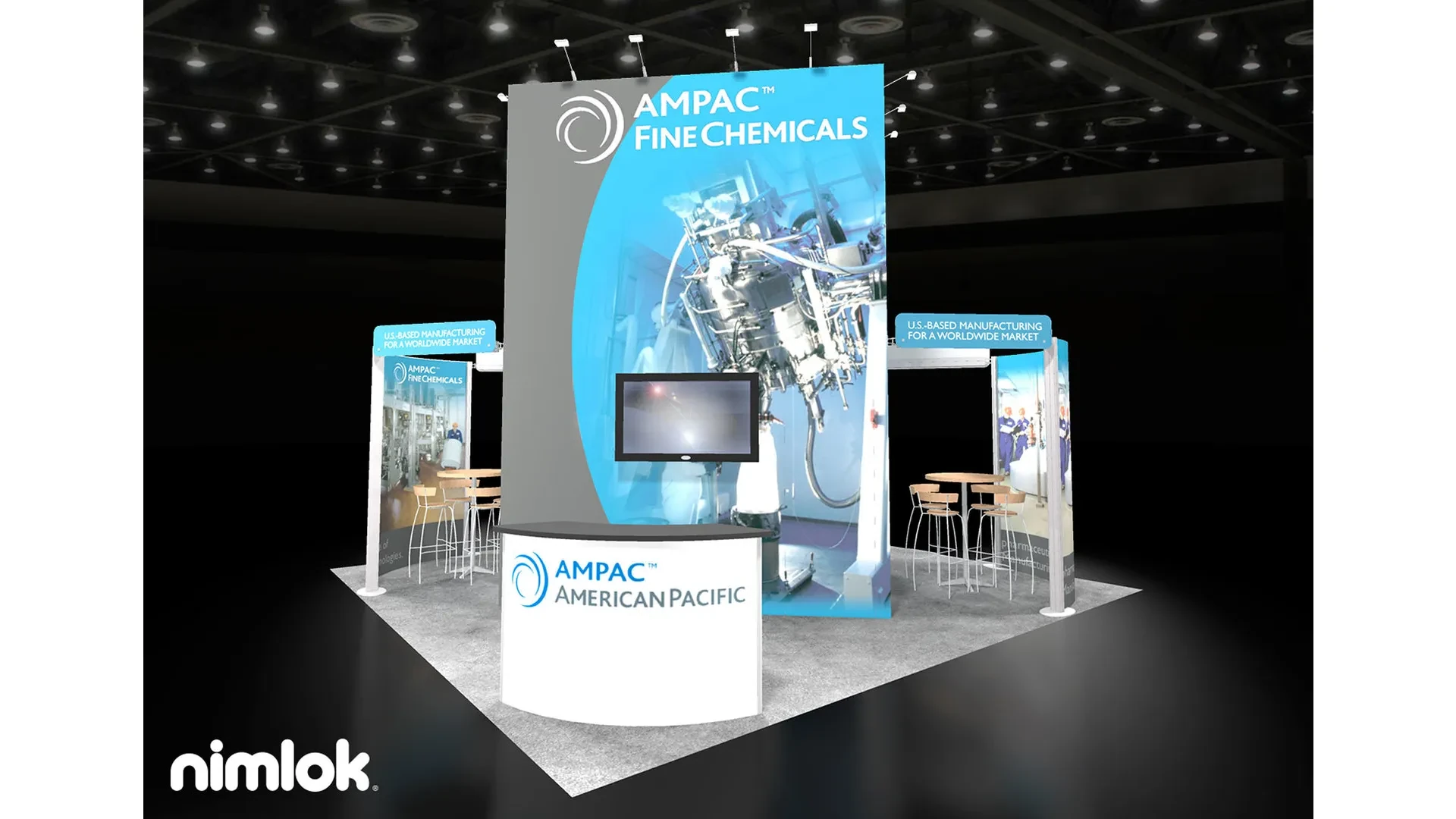
Booth Rental Management in Dallas visual for Exhibit House of Dallas
Service

Venue-Specific Rental Configuration Requirements

At Kay Bailey Hutchison Convention Center Dallas, booth rental management begins with a thorough review of exhibitor guidelines that dictate how temporary structures must interface with the facility's infrastructure. Rental booths here typically incorporate pre-wired power strips ordered through the venue's utilities portal, ensuring that modular walls and pedestals draw no more than the allocated amperage without triggering overloads during peak show hours. Coordinators select rentals with adjustable heights to comply with the center's ceiling clearance rules, often capping at 16 feet for inline booths, and ensure that carpeted platforms match the hall's union flooring standards to avoid slippage in high-traffic zones. This level of precision prevents common pitfalls like rejected setups due to unpermitted modifications, allowing smooth integration into the center's 1 million square feet of exhibit space.

Dallas Market Hall presents distinct challenges for booth rentals due to its focus on wholesale trade events, where rented displays must withstand repeated handling by buyers navigating narrow aisles. Management involves choosing durable vinyl-wrapped counters and retractable banner stands that fit the hall's 120,000 Square Foot footprint without encroaching on adjacent spaces, while factoring in natural lighting variations that affect graphic visibility. For events at Fashion Industry Gallery, coordinators prioritize lightweight aluminum extrusion systems that can be configured for runway-adjacent placements, respecting the venue's emphasis on open floor plans for fashion showcases and ensuring rented shelving units support garment weights without sagging.

  • Kay Bailey Hutchison Convention Center Dallas requires utilities ordered 30 days in advance for rented booth power needs
  • Dallas Market Hall rentals must account for forklift access paths during peak buyer hours
  • Fashion Industry Gallery configurations emphasize modular adaptability for dynamic show flows

Sourcing and Inventory Selection Strategies

Selecting the right rental inventory demands a deep understanding of the material compatibilities required across Dallas venues, starting with frame systems that dismantle into compact crates for efficient transport to the Kay Bailey Hutchison Convention Center Dallas docks. Coordinators prioritize SEG fabric graphics over rigid panels for venues like Dallas Market Hall, where quick graphic swaps mid-event accommodate buyer feedback loops, and ensure all components feature non-marring finishes to protect polished concrete floors common in these spaces. Inventory choices extend to interactive elements like touchscreen podiums, calibrated for the electrical specs detailed in Omni Dallas Hotel's meeting planner resources, balancing portability with professional aesthetics.

Beyond basics, the management incorporates specialized add-ons such as charging station hubs and literature racks tailored to the prolonged dwell times at Grapevine venues like Gaylord Texan Resort & Convention Center, though primary focus remains on Dallas cores. This curation process involves cross-referencing rental catalogs against venue load-in diagrams, opting for wind-resistant canopies for outdoor-adjacent setups at Hyatt Regency Dallas and verifying flame-retardant certifications mandatory for all textiles in enclosed halls like Irving Convention Center.

  • Modular aluminum frames reduce setup time by 40% in Dallas venue constraints
  • Flame-rated fabrics mandatory for all rented textiles per facility fire codes
  • Portable power solutions integrate directly with pre-ordered venue utilities

Logistics and Dock Coordination Essentials

Dock management forms the backbone of booth rental logistics at Kay Bailey Hutchison Convention Center Dallas, where advance scheduling through the exhibitor portal assigns specific windows for rental freight arrival, typically starting at 8 AM on move-in day. Coordinators prepare detailed manifests listing crate dimensions and weights for each rented component, ensuring compliance with the center's 53-foot trailer unloading protocols and avoiding penalties for oversized loads that could bottleneck the 12-bay dock system. This foresight extends to sequencing deliveries so that base booth frames arrive before graphic panels, streamlining the transition from dock to hall floor.

For Dallas Market Hall and Fashion Industry Gallery, logistics adapt to smaller-scale operations with curbside unloading zones, requiring rental trucks under 26 feet to navigate urban access routes. Management includes buffer timing for elevators serving upper levels at Omni Dallas Hotel, where rented booths destined for ballroom spaces must fit through 8-foot doorways without disassembly, preserving the integrity of pre-configured elements during vertical transport.

  • KBHCCD docks operate on strict 30-minute per truck slots
  • Dallas Market Hall prioritizes early morning freight for wholesale event prep
  • Omni Dallas Hotel elevators limit loads to 5,000 pounds for booth components

Assembly and Utility Integration Protocols

Assembly of rented booths at Kay Bailey Hutchison Convention Center Dallas hinges on coordination with listed service partners, who oversee the final power hookups after initial framing by designated crews. Rental management dictates a Step by Step sequence: erecting tension-lock frames first, followed by securing backwalls and installing venue-supplied carpet tiles atop platforms, all while verifying levelness with laser tools to counter the hall's expansive concrete undulations. Utilities integration involves mapping rented device plugs to the booth's service yard locations, often single 20-amp circuits for 10x20 spaces, preventing brownouts during multimedia presentations.

In convention hotels like Hyatt Regency Dallas, assembly adapts to carpeted ballrooms with rented riser systems elevating displays above existing flooring, incorporating cable management channels to route extensions from wall boxes without trip hazards. Fashion Industry Gallery setups emphasize rapid tool-less assembly for rented slatwall panels, allowing real-time merchandising adjustments amid fashion buyer traffic.

  • Service partner approval required for any booth modifications at KBHCCD
  • Cable covers mandatory over all floor runs in hotel venues
  • Leveling shims standard for rented platforms on uneven hall floors

Dismantle, Inspection, and Return Procedures

Dismantle phases in the management reverse the assembly logic, commencing promptly at show close per Kay Bailey Hutchison Convention Center Dallas move-out schedules, often 6 PM on final day. Coordinators direct the deconstruction starting with disconnecting utilities to avoid meter overages, then collapsing frames into outbound crates while conducting spot checks for damage like torn graphics or bent extrusions that could incur rental surcharges. This process culminates in dock-side inspections matching incoming manifests, ensuring clean returns to inventory pools for future Dallas events.

Dallas Market Hall dismantle benefits from its post-wholesale vacuuming cycles, allowing thorough wipedowns of rented surfaces before crating, while Fashion Industry Gallery protocols stress garment rack stability during breakdown to prevent spills. Post-event, management compiles condition reports cross-referenced against rental agreements, facilitating accurate billing adjustments for any verified wear.

For larger venues like Gaylord Texan, extended dismantle windows accommodate rented booth volumes, but Dallas-focused operations prioritize speed to free docks for subsequent loads.

  • Utilities disconnection first to stop billing at KBHCCD
  • Damage photos required for disputed rental charges
  • Crate labels must match inbound manifests for smooth returns

Budget Optimization and Vendor Oversight

Budgeting for booth rentals in Dallas venues involves line-item forecasting tied to square footage and feature complexity, with base 10x10 kits at Kay Bailey Hutchison Convention Center Dallas running foundational costs before add-ons like premium lighting. Coordinators negotiate volume discounts across multi-show seasons, bundling frame rentals with graphic production to leverage economies, while padding for venue-mandated service partner fees that apply to utility tie-ins and labor oversight. Tracking variances against actual dock usage and assembly hours ensures fiscal discipline without compromising quality.

Ongoing vendor oversight monitors rental condition through serialized tagging, enabling rapid replacements mid-event if components fail at high-demand sites like Dallas Market Hall. This proactive stance extends to insurance alignments covering transit to Irving Convention Center docks, safeguarding investments in customized rental configurations.

  • Bulk rental deals reduce per-show costs by 15-20%
  • Serialized tracking prevents inventory mix-ups
  • Venue fees budgeted separately from core rental inventory

Performance Metrics and Continuous Improvement

Measuring the management success draws on metrics like setup efficiency at Kay Bailey Hutchison Convention Center Dallas, where target assembly times under 4 hours per 10x20 space benchmark against dock constraints. Post-event surveys capture attendee feedback on rental aesthetics and functionality, informing refinements for subsequent bookings at Omni Dallas Hotel ballrooms. Coordinators analyze dismantle recovery rates, aiming for 100% undamaged returns to sustain vendor relationships across the DFW circuit.

Iterative improvements incorporate lessons from Fashion Industry Gallery's agile environments, enhancing rental kits with swappable modules for evolving show themes, ensuring sustained relevance in Dallas's dynamic trade landscape.

  • Setup time KPIs under 4 hours standard
  • Attendee dwell metrics guide future rental upgrades
  • Recovery audits target zero chargebacks

Questions buyers ask

Booth Rental Management for Dallas Trade Shows

How do dock schedules impact booth rental timelines at Kay Bailey Hutchison Convention Center Dallas?

Dock assignments at Kay Bailey Hutchison Convention Center Dallas are scheduled via the exhibitor portal, with 30-minute slots starting early move-in day, requiring rental freight manifests submitted in advance to avoid delays in booth assembly.

What utilities are essential for rented booths in Dallas venues?

Rented booths typically require 20-amp circuits ordered through venue portals like KBHCCD's utilities system, covering power for lighting, monitors, and charging stations, with orders due 30 days prior.

How does booth rental management handle Fashion Industry Gallery specifics?

Management selects lightweight, modular rentals for Fashion Industry Gallery's open layouts, focusing on tool-less assembly and stable shelving to support fashion displays amid high buyer interaction.

What steps ensure rented booth compliance at Dallas Market Hall?

Compliance involves durable, non-encroaching rentals fitting the hall's aisles, with advance planning for forklift paths and natural light optimizations during wholesale events.

Can booth rentals integrate with hotel ballroom setups like Omni Dallas?

Yes, rentals feature elevator-compatible crates and riser bases for Omni Dallas ballrooms, with cable management for smooth utility hookups in carpeted spaces.

How is rental condition verified post-dismantle?

Post-dismantle inspections at venues like KBHCCD compare outbound crates to inbound manifests, documenting any damage with photos for accurate billing resolutions.

Explore next

Follow the section that matches the next planning question.

Start here

Trade Show Displays of Dallas

Dallas trade show display planning designed around venue rules, message clarity, and reusable exhibit systems.

Start Your Scope