Services / Modular Exhibit Systems

Modular Exhibit Systems

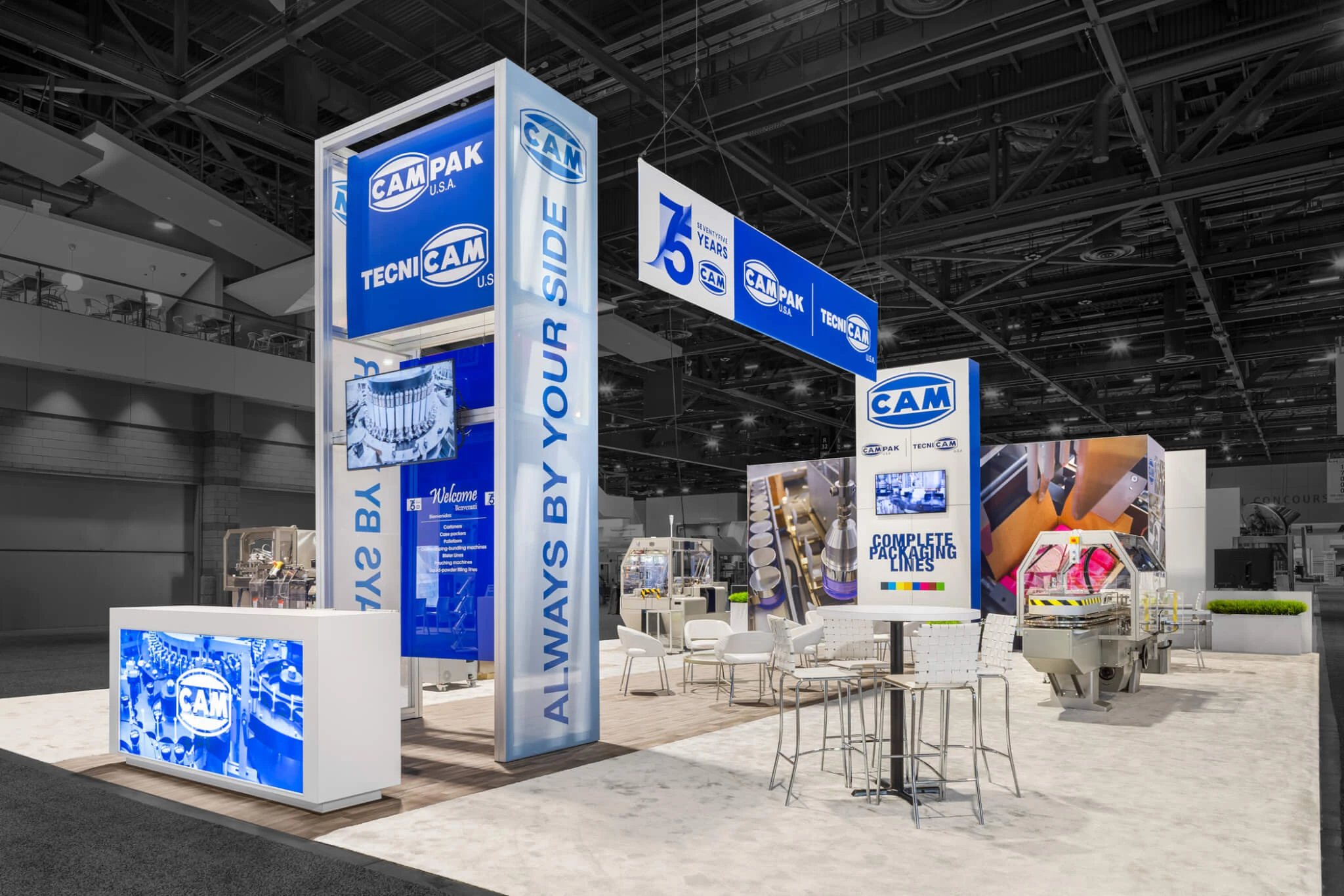
Modular exhibit systems deliver adaptable frameworks that assemble into dynamic trade show displays, enabling exhibitors to scale presence across Dallas venues like the Kay Bailey Hutchison Convention Center Dallas without permanent custom builds.

Modular Exhibit Systems in Dallas visual for Exhibit House of Dallas
Service

Adapting Modular Frames to Venue Floor Configurations

Modular exhibit frames built from durable aluminum extrusions allow precise adjustments to fit the linear booth grids common at Kay Bailey Hutchison Convention Center Dallas, where space assignments follow strict perimeters to optimize hall traffic flow. Planners select frame heights from 8 to 16 feet, incorporating vision barriers or full-backwall panels to meet sightline rules without encroaching on adjacent exhibits. This configurability proves vital during peak seasons when venues like Dallas Market Hall host simultaneous buyer circuits, requiring quick adaptations to unforeseen space variances.

Transport preparation involves segmenting frames into manageable sections that stack on standard pallets, aligning with the advance dock reservation system at Kay Bailey Hutchison Convention Center Dallas. Each module weighs under 50 pounds typically, facilitating handling by designated service partners and reducing the overall dock time required for larger 20x20 configurations. Post-event, disassembly reverses efficiently, allowing components to reload swiftly for outbound shipping.

Longer-term planning incorporates frame expansions for progression from smaller Fashion Industry Gallery activations to full-scale convention center islands, preserving investment through interchangeable connectors that maintain structural integrity across setups.

Graphics and Fabric Integration for Dallas Events

Tension fabric graphics stretch taut over modular frames, providing wrinkle-free surfaces ideal for high-resolution prints that capture attention in the expansive halls of Kay Bailey Hutchison Convention Center Dallas. These SEG (silicone edge graphic) panels swap in minutes, enabling message refreshes between shows at venues like Omni Dallas Hotel without reprinting entire backwalls. Dye-sublimated fabrics resist fading from repeated handling and venue lighting conditions, ensuring consistent brand vibrancy.

Planning graphics production timelines accounts for venue lead times, as files prepare in vector formats compatible with large-format printers serving Dallas Market Hall events. Modular systems support multi-panel layouts where upper towers feature bold headlines and lower sections detail product specs, optimizing viewer engagement paths observed in convention center analytics.

Sustainability factors into fabric choices, with recyclable polyester options that align with green initiatives at facilities like Hyatt Regency Dallas, where exhibitors increasingly prioritize low-VOC materials for indoor air quality compliance.

  • Quick-swap SEG pillowcase designs for daily messaging updates
  • UV-resistant inks maintaining color fidelity under LED hall lights
  • Custom dye-sub patterns for curved frame profiles
  • Pillowcase zippers enabling field repairs without tools

Lighting and Power Solutions in Modular Builds

Embedded LED channels within modular extrusions deliver even illumination without standalone fixtures, connecting to venue-provided power drops at Kay Bailey Hutchison Convention Center Dallas utility grids. Dimmable strips adjust for ambient hall conditions, highlighting products during daytime buyer walkthroughs or evening receptions at Sheraton Dallas Hotel. This self-contained approach avoids overtime electrical calls from service partners, streamlining budgets.

Power management incorporates daisy-chainable pods rated for 20-amp circuits standard across Dallas venues, powering monitors, interactive kiosks, and charging stations simultaneously. Planners map consumption against utility order forms from the convention center, ensuring modular hubs distribute load evenly to prevent trips during peak demo hours.

Accessory lighting kits extend to accent shelves or podiums, with magnetic mounts that reposition without frame alterations, suiting dynamic product launches at Fashion Industry Gallery.

Logistics Coordination for Venue Docks and Load-In

Modular components palletize compactly for freight to Dallas-area venues, fitting the dock protocols at Kay Bailey Hutchison Convention Center Dallas that mandate 24-hour advance scheduling for semi-truck access. Lightweight shipments reduce liftgate needs, accelerating transfer to exhibit hall floors via service partner crews familiar with pallet jack navigation in crowded loading zones.

Route planning from national hubs targets early morning windows at Irving Convention Center at Las Colinas, where modular flat-packs unload faster than crated customs, freeing docks for subsequent exhibitors. Post-show dismantle follows reverse sequencing, with frames collapsing to original ship sizes for prompt outbound clearance.

Inventory tracking software logs module counts against booth manifests, verifying completeness before dock arrival and mitigating delays common in multi-hall events like those at Gaylord Texan Resort & Convention Center.

  • Pallet configurations optimized for 53-foot trailers
  • Pre-labeled modules speeding service partner sorting
  • Reusable crating minimizing dunnage waste

Scalability from Inline Booths to Island Displays

Starting with 10x10 inline configurations at Hyatt Regency Dallas breakout sessions, modular systems expand by adding perimeter frames for 10x20 linear or 20x20 islands at Dallas Market Hall. Corner connectors ensure smooth joints, maintaining windload ratings suitable for open convention center spaces without tension cables.

Progression planning identifies reusable core modules like towers and counters, supplementing with rented expansions for one-off large formats at Kay Bailey Hutchison Convention Center Dallas. This tiered approach balances capital outlay with flexibility for fluctuating show footprints.

Hybrid configurations blend owned frames with accessory rentals, adapting to peninsula or double-deck rules in venue-specific guidelines.

Installation and Dismantle Efficiency Under Venue Rules

Tool-less assembly sequences commence with base plates securing to venue carpet protectors at Omni Dallas Hotel, building upward via drop-in connectors that lock in seconds. Service partners execute under EAC directives at Kay Bailey Hutchison Convention Center Dallas, appreciating modular predictability that shortens I&D windows versus welded customs.

Dismantle reverses in under two hours for standard booths, segmenting into wheeled cases for hall evacuation before cutoff times. This efficiency supports tight turnarounds between Back to Back events at Dallas Market Hall.

Final inspections confirm no frame damage or graphic tears, prepping for storage or next deployment across DFW venues.

  • Sequential build guides reducing training time
  • Magnetic leveling for uneven floors
  • Quick-release pins for emergency breakdowns

Reusability and Maintenance for Ongoing Campaigns

Modular durability withstands dozens of deployments, with anodized finishes resisting scratches from repeated handling at high-traffic venues like Fashion Industry Gallery. Annual inspections replace worn seals or fabrics, extending lifespan beyond five years for core frames.

Storage planning consolidates components in climate-controlled facilities, protecting against Dallas humidity fluctuations that degrade graphics. Reconfiguration kits update aesthetics without full overhauls, sustaining ROI across Grapevine or Plano events.

ROI calculations factor freight savings from compact shipping, offsetting initial investments through multi-show utilization.

Questions buyers ask

Modular Exhibit Systems

What distinguishes modular exhibit systems from custom exhibits?

Modular systems use standardized, interconnecting components for easy reconfiguration, unlike custom exhibits built to single-use specs, offering scalability for varying booth sizes at Dallas venues without refabrication.

How do modular exhibits handle venue utility requirements?

They incorporate Plug and Play power tracks and LED modules that connect to standard drops at Kay Bailey Hutchison Convention Center Dallas, simplifying orders and avoiding custom electrical runs.

What setup time should planners expect for a 20x20 modular booth?

Assembly typically completes in 4-6 hours with service partners, thanks to tool-less frames, compared to days for customs, fitting tight dock schedules at Dallas Market Hall.

Are modular graphics durable for multiple events?

SEG tension fabrics endure repeated stretches and launderings, maintaining print quality across shows at Omni Dallas Hotel or Irving Convention Center.

Can modular systems support double-deck configurations?

Yes, with certified truss modules and counterweights meeting venue engineering approvals at Kay Bailey Hutchison Convention Center Dallas for elevated displays.

How does modularity impact shipping costs to DFW venues?

Flat-packed components reduce volume by 70%, lowering freight rates for deliveries to Gaylord Texan or Hyatt Regency Dallas.

Explore next

Follow the section that matches the next planning question.

Start here

Trade Show Displays of Dallas

Dallas trade show display planning designed around venue rules, message clarity, and reusable exhibit systems.

Start Your Scope