Services / Trade Show Labor Coordination

Trade Show Labor Coordination

Orchestrating the precise deployment of installation and dismantle crews across Dallas convention venues demands meticulous planning to align with dock schedules, service partner protocols, and exhibit timelines, ensuring smooth execution without delays or compliance issues.

Trade Show Labor Coordination in Dallas visual for Exhibit House of Dallas
Service

Determining Labor Needs for Diverse Exhibit Configurations

Exhibit configurations at Dallas venues range from inline booths at Dallas Market Hall, which typically require four to six laborers for standard 10x20 setups involving Pipe and Drape assembly and basic carpentry, to island displays at Kay Bailey Hutchison Convention Center Dallas demanding up to twelve crew members for overhead truss installations and modular wall erections. Coordinators evaluate blueprints and renderings to quantify hours needed, factoring in material weights—for instance, pre-rigged lighting trusses that necessitate certified millwrights—and venue floor load capacities, which influence whether hydraulic lifts or scissor platforms are deployed during setup.

Labor forecasting also considers event scale; smaller activations in the Fashion Industry Gallery might suffice with two electricians for power hookups and one forklift driver for pallet unloads, whereas comprehensive pavilions in Omni Dallas Hotel ballrooms expand to include seamstresses for graphic tensioning and AV technicians for integrated displays. This assessment prevents understaffing that leads to rushed finishes or overstaffing that inflates costs, with tools like Gantt charts mapping sequential tasks from freight offload to final walk-throughs.

  • Crew ratios: 1:200 sq ft for basic setups, 1:100 for custom
  • Specialty roles: riggers for hangs over 10 ft, certified for venue compliance
  • Material handling: pallet jacks for <2000 lbs, forklifts for heavier loads

Aligning with Venue Dock and Access Protocols

Dallas venues enforce rigorous dock protocols, as seen at Kay Bailey Hutchison Convention Center Dallas where exhibitors must reserve slots through their docks page, coordinating labor arrivals to match assigned windows that often span Dawn to Dusk periods during peak shows. Labor teams arrive sequenced behind freight trucks, with first-call laborers handling initial unloads via pallet jacks before second-wave crews commence assembly, avoiding congestion in shared loading zones shared by hundreds of booths.

At facilities like Dallas Market Hall and Fashion Industry Gallery, narrower dock configurations limit simultaneous access, requiring staggered labor shifts—morning teams for high-volume unloads and afternoon for intricate builds—to comply with no-parking ordinances and pedestrian pathways. Coordination ensures laborers possess venue-issued passes, obtained via pre-submitted rosters that detail roles and certifications, preventing entry denials that cascade into timeline slips across Irving Convention Center or Grapevine properties.

Hyatt Regency Dallas and similar convention hotels introduce additional layers, with labor routed through service elevators rather than street-level docks, mandating quiet operations post-10 PM to respect guest floors above exhibit spaces.

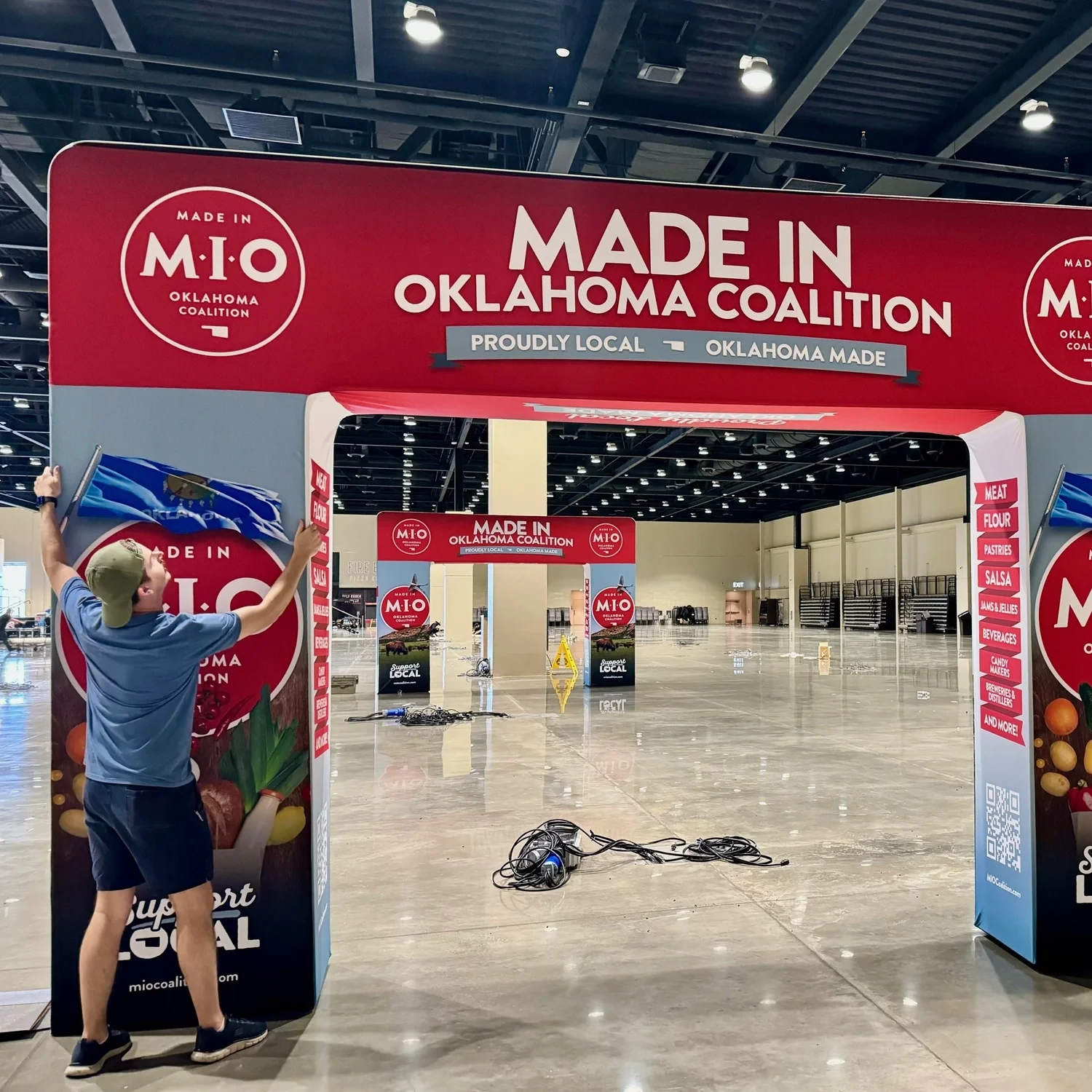
Structuring Installation and Dismantle Schedules

Installation schedules at Kay Bailey Hutchison Convention Center Dallas follow a phased approach: day-zero freight delivery by GC or EAC partners, followed by labor move-in on designated I&D days, where crews prioritize structural framing before graphics and finishes to allow for inspector walkthroughs. Coordinators build buffers for common hiccups like delayed shipments from DFW Airport, ensuring dismantle mirrors this in reverse—full teardown by midnight on show close to vacate for cleaning crews.

Dallas Market Hall events compress timelines due to Back to Back bookings, with labor coordination enforcing 8-hour dismantle windows that start with power downs and carpet rolls, progressing to truss lowers and pallet reloads under supervision to meet outbound trucking manifests. In multi-day shows at Omni Dallas Hotel, partial daily adjustments by hospitality labor supplement core teams, coordinated to avoid overtime triggers during peak visitor hours.

Fashion Industry Gallery setups, often fashion-focused, integrate model runway labor with exhibit builds, timing carpenter arrivals before lighting hangs to facilitate smooth transitions.

  • Phase 1: Unload and stage (2-4 hours)
  • Phase 2: Frame and rig (4-8 hours)
  • Phase 3: Finish and test (2-4 hours)
  • Dismantle reverse: Finish removal first

Integrating Specialized Labor Skills

Specialized skills form the backbone of complex builds; at venues like Kay Bailey Hutchison Convention Center Dallas, certified riggers handle point-loaded suspensions per utilities guidelines, coordinating with electricians for chain motor power drops that require pre-approved amperage charts. Forklift operators, essential for pallet maneuvers in expansive halls, must navigate marked aisles to prevent collisions during concurrent setups.

Carpenters and metalworkers address custom millwork at Dallas Market Hall, fabricating on-site adjustments for warped floors or misaligned walls, while AV integrators sync with labor for cable runs concealed before carpet lays. In hotel settings like Hyatt Regency Dallas, low-profile labor such as seamstresses for fabric wraps ensures minimal disruption, with all specialists badged for restricted zones.

Coordination extends to union considerations in larger centers, where prevailing wage logs track hours for audit-proof billing.

  • Riggers: ETCP certified for motor installs
  • Forklift: OSHA 10+ with venue familiarization
  • Electricians: Master level for 480V services

Supervision and Real-Time Adjustments

On-site supervision anchors labor coordination, with leads monitoring progress against master schedules at Kay Bailey Hutchison Convention Center Dallas, radioing adjustments for weather-impacted outdoor loads or venue-mandated fire lane clearances. Daily huddles align crews on priorities, like expediting high-traffic aisle booths first to enable carpet installation across the floor.

Real-time pivots address issues like material shortages at Dallas Market Hall, where coordinators reallocate carpenters from low-priority zones or extend shifts with pre-approved overtime caps. In compact spaces like Fashion Industry Gallery, supervision enforces one-way traffic flows for labor paths, preventing jams during peak build hours.

Post-install audits at Omni Dallas Hotel verify alignments before exhibitor handoff, with dismantle oversight ensuring zero debris penalties through sweep protocols.

Compliance, Safety, and Documentation

Compliance permeates every labor phase, drawing from Kay Bailey Hutchison Convention Center Dallas service partners lists to vet EAC-aligned crews versed in their exhibitor expectations, including MSDS sheets for paints and adhesives used in builds. Safety protocols mandate harnesses for lifts over 6 feet and spotters for blind forklift corners, documented in shift logs for insurance reviews.

Documentation captures labor hours via timecards synced to badge scans at venue entries, facilitating dispute-free invoicing that delineates regular from premium rates during after-hours at Hyatt Regency Dallas. Incident reports, even minor, feed into continuous improvement, refining future coordinations for Irving or Grapevine events.

Final wrap-ups include asset inventories, confirming all rented tools returned and custom elements preserved for shipping.

  • Daily safety briefings mandatory
  • Compliance checklists per venue
  • Digital time tracking for accuracy

Optimizing Labor Costs in Competitive Markets

Cost optimization in Dallas trade shows hinges on precise bidding, where coordinators layer base rates with venue multipliers—like premium pricing for Kay Bailey Hutchison Convention Center Dallas weekend overnights—while negotiating bulk hours for multi-booth clients. Early forecasting minimizes idle time, such as pre-staging materials off-site to compress on-dock labor exposure.

Value engineering swaps high-cost riggers for modular hangs where feasible at Dallas Market Hall, and cross-trains crews for multi-role efficiency in smaller Fashion Industry Gallery gigs. Post-event reconciliations audit against manifests, recouping credits for unused hours or early completes.

Scalable models for recurring exhibitors at Omni Dallas Hotel lock in preferred rates, balancing quality with fiscal discipline across DFW venues.

Questions buyers ask

Trade Show Labor Coordination

How far in advance should labor be coordinated for Dallas venues?

Reservations for docks and labor passes at Kay Bailey Hutchison Convention Center Dallas require 4-6 weeks lead time for major shows, with smaller venues like Dallas Market Hall needing 2-3 weeks to align with their booking calendars.

What certifications do laborers need for rigging at convention centers?

Rigging crews must hold ETCP certification for motor and chain hoist operations, as referenced in utilities guidelines from facilities like Kay Bailey Hutchison Convention Center Dallas, ensuring compliance with load charts and inspections.

How are labor costs structured for installation and dismantle?

Costs break into base hourly rates, venue premiums, overtime after 8 hours, and specialties like forklifts at double rates, with total bids reflecting exhibit sq footage and complexity across Dallas Market Hall or Omni Dallas Hotel setups.

Can labor handle both exhibit build and AV integration?

Coordinated teams include AV techs who work alongside carpenters for cable management and power tie-ins, timed to avoid rework during final finishes at venues such as Fashion Industry Gallery.

What happens if move-in timelines slip due to labor issues?

Buffers built into schedules accommodate delays, with supervisors reallocating crews or extending shifts within venue dock windows at Kay Bailey Hutchison Convention Center Dallas to maintain overall project momentum.

How is labor supervised during dismantle to avoid penalties?

Dedicated leads enforce reverse sequencing—graphics first, structures last—with final sweeps documented to clear spaces promptly, preventing holdover fees at tight-turnaround sites like Hyatt Regency Dallas.

Explore next

Follow the section that matches the next planning question.

Start here

Trade Show Displays of Dallas

Dallas trade show display planning designed around venue rules, message clarity, and reusable exhibit systems.

Start Your Scope